TE WAKA TOUR · RAROTONGA

A journey back
to the waka.

Connecting Aotearoa to the islands, the voyaging histories, and the people who still carry them.

Kia orana e te whānau

Come see the other side
of the story.

You probably know where the waka arrived in Aotearoa. Te Waka Tour is about coming back north and seeing some of the places, pathways and kōrero that sit behind that journey.

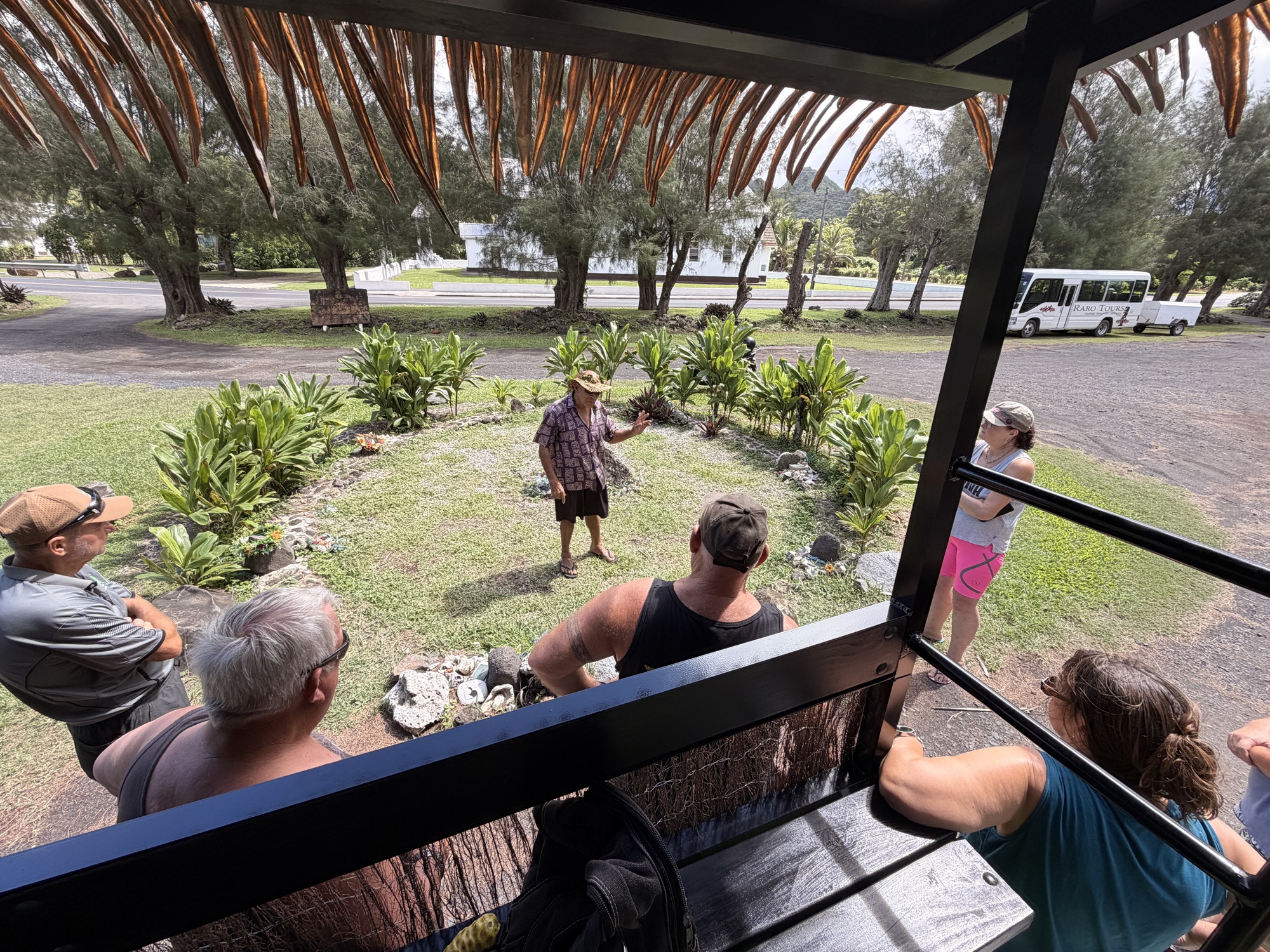
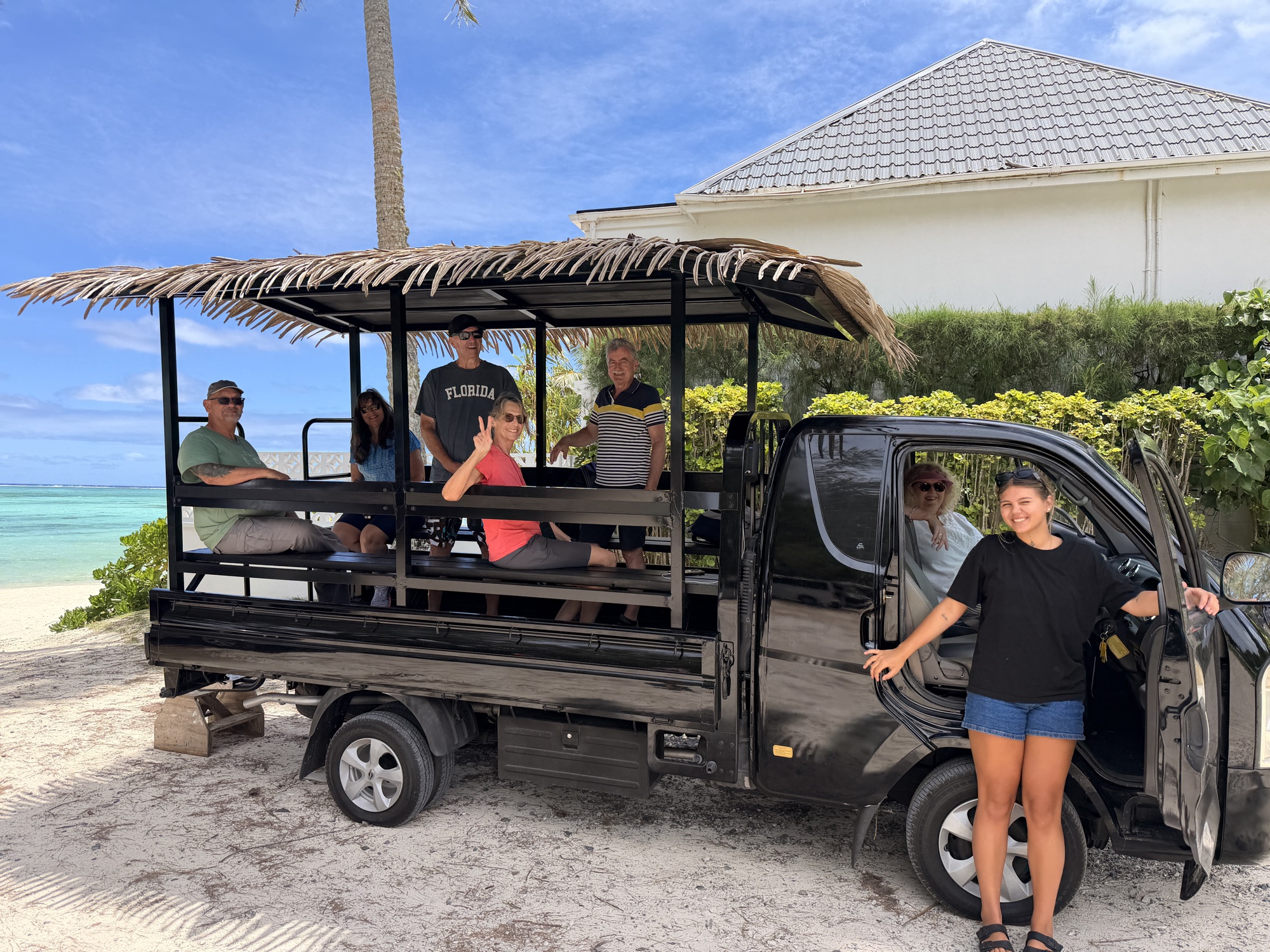
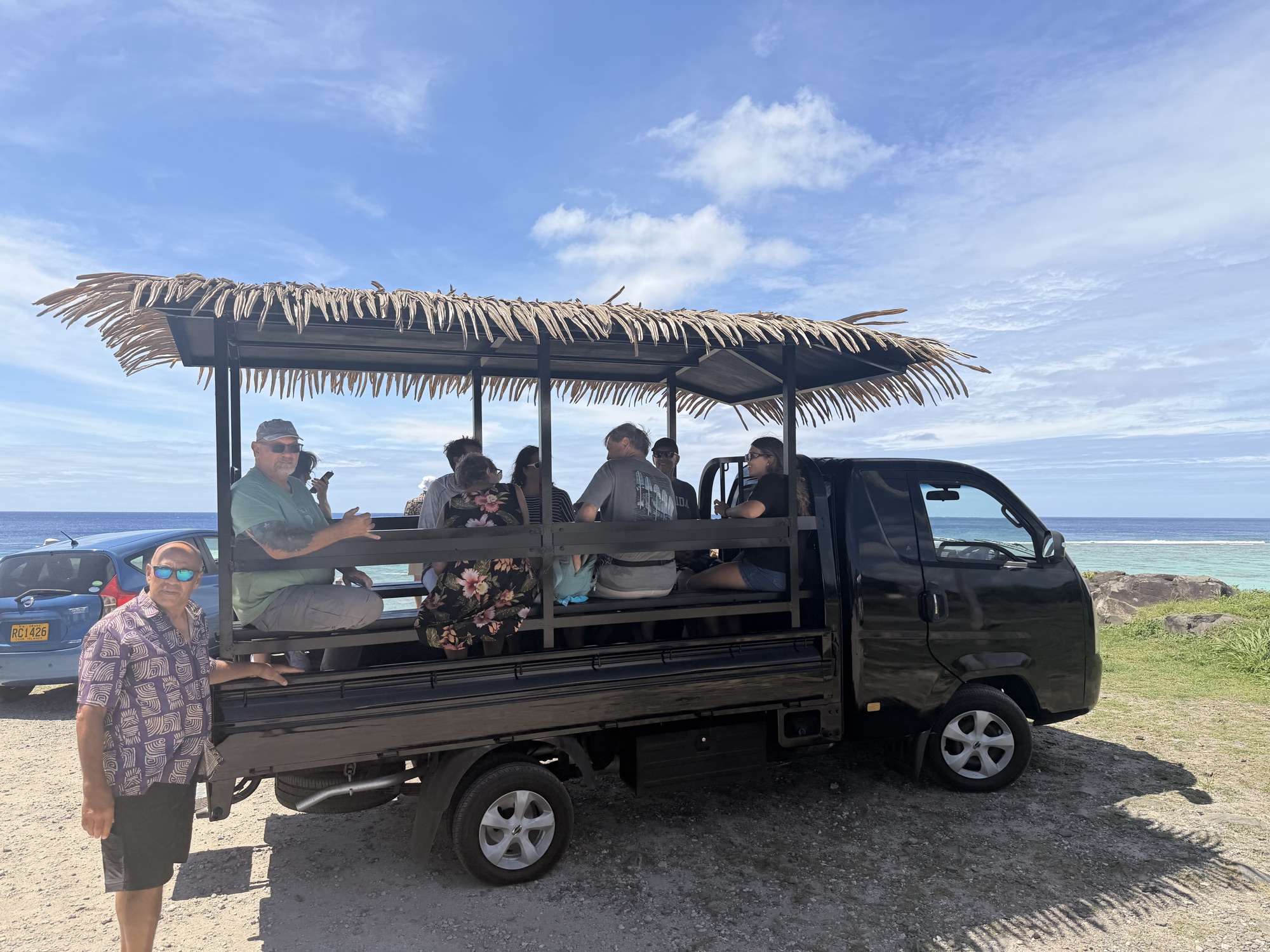
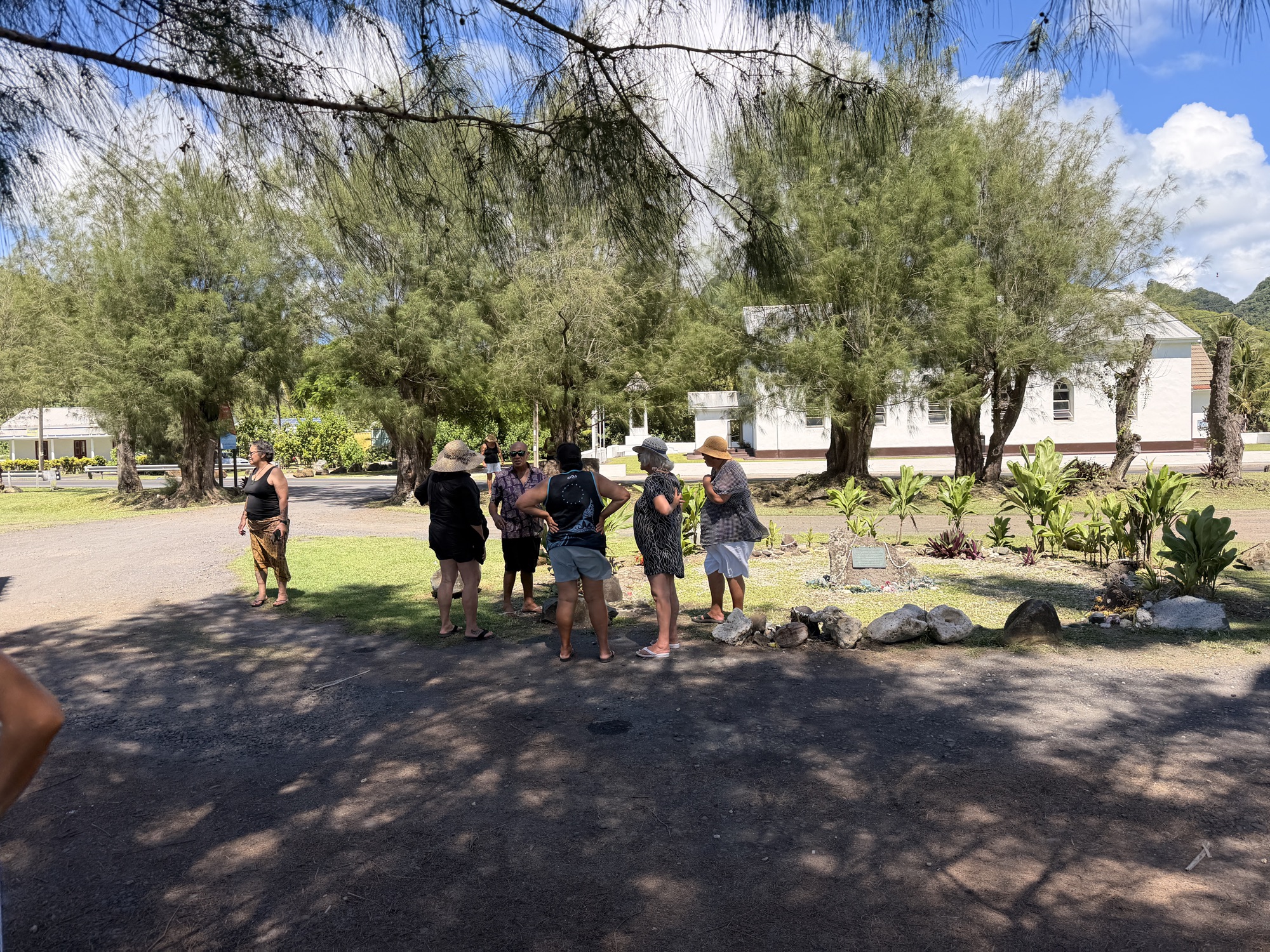
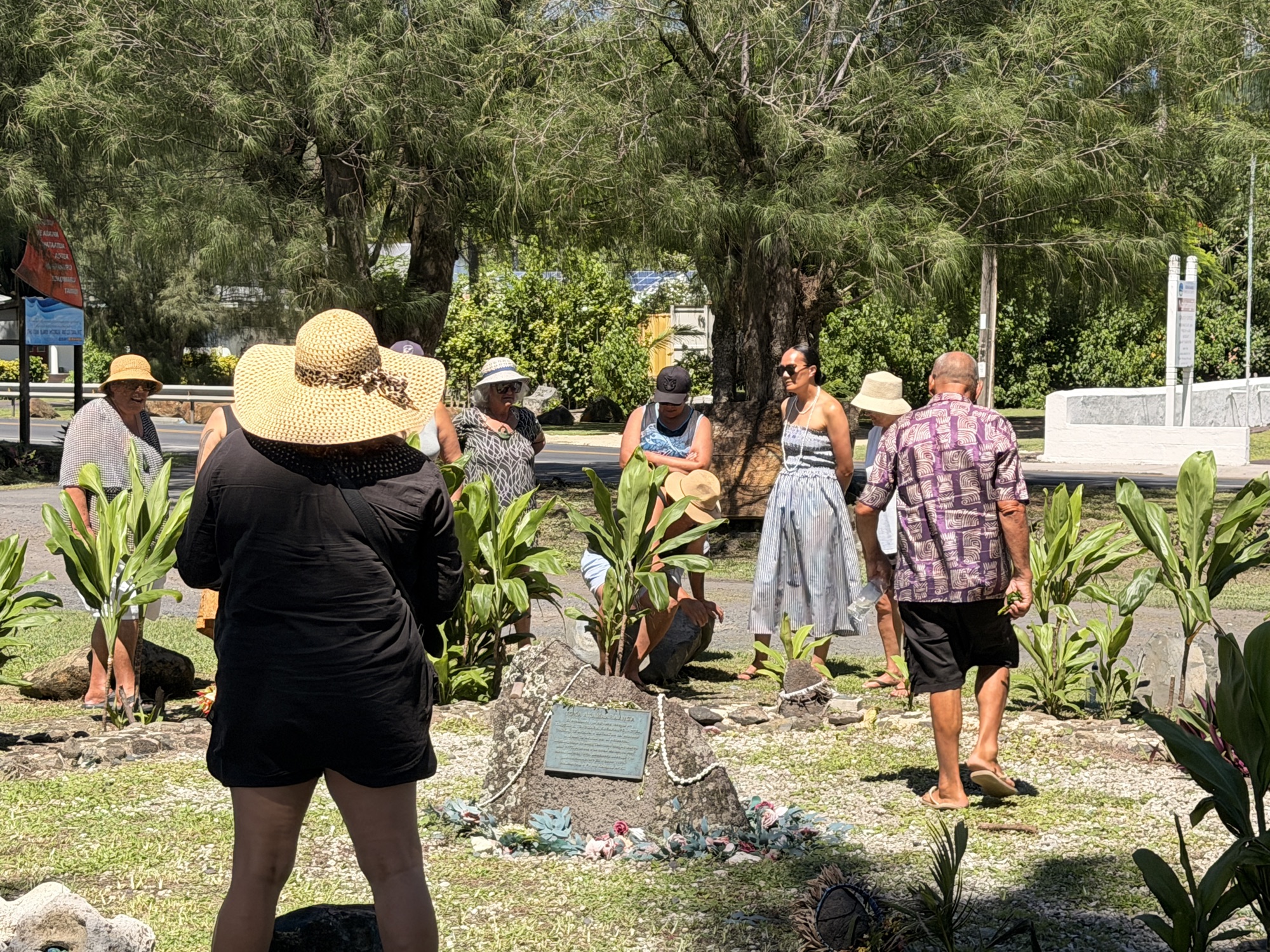
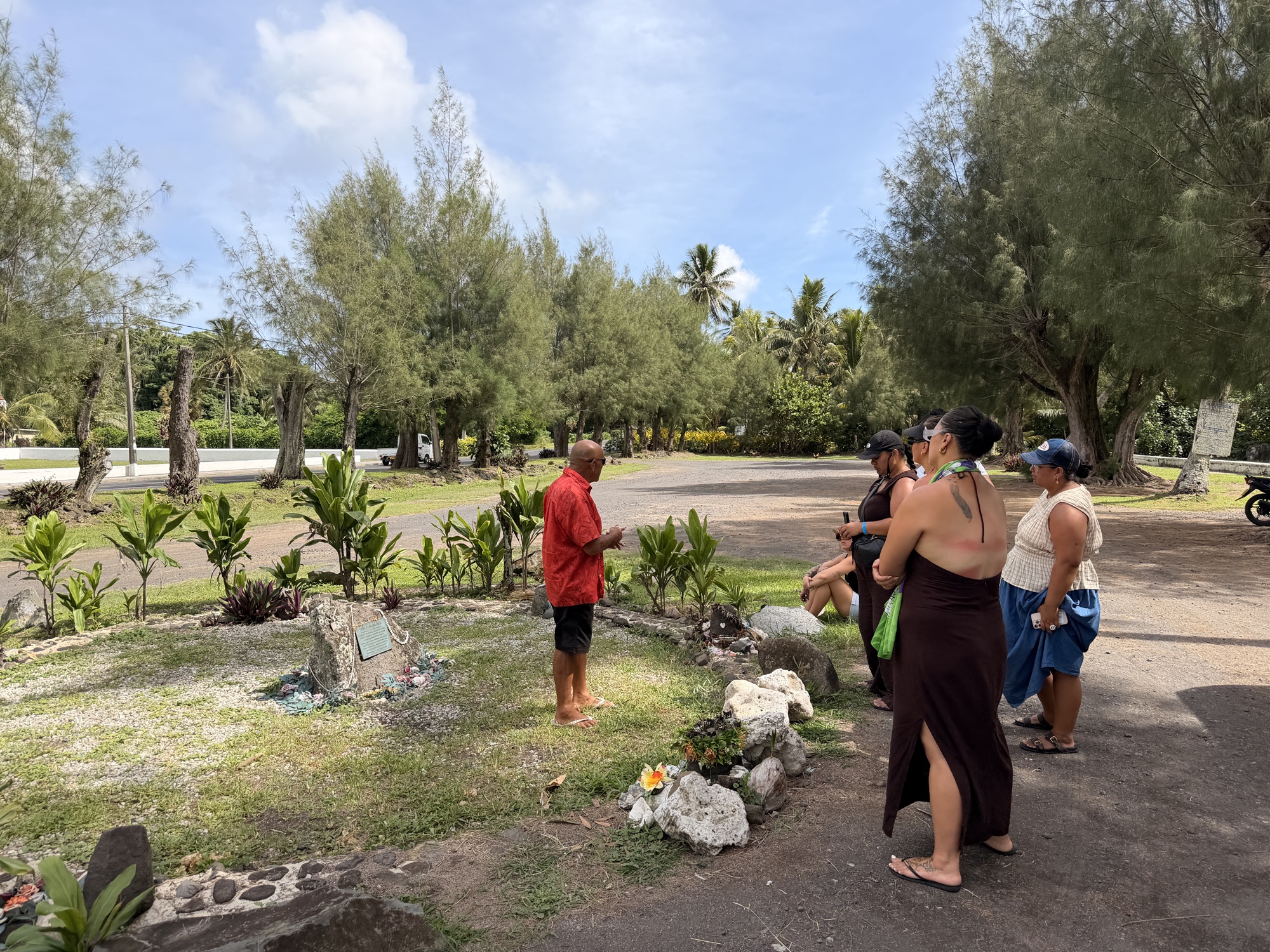
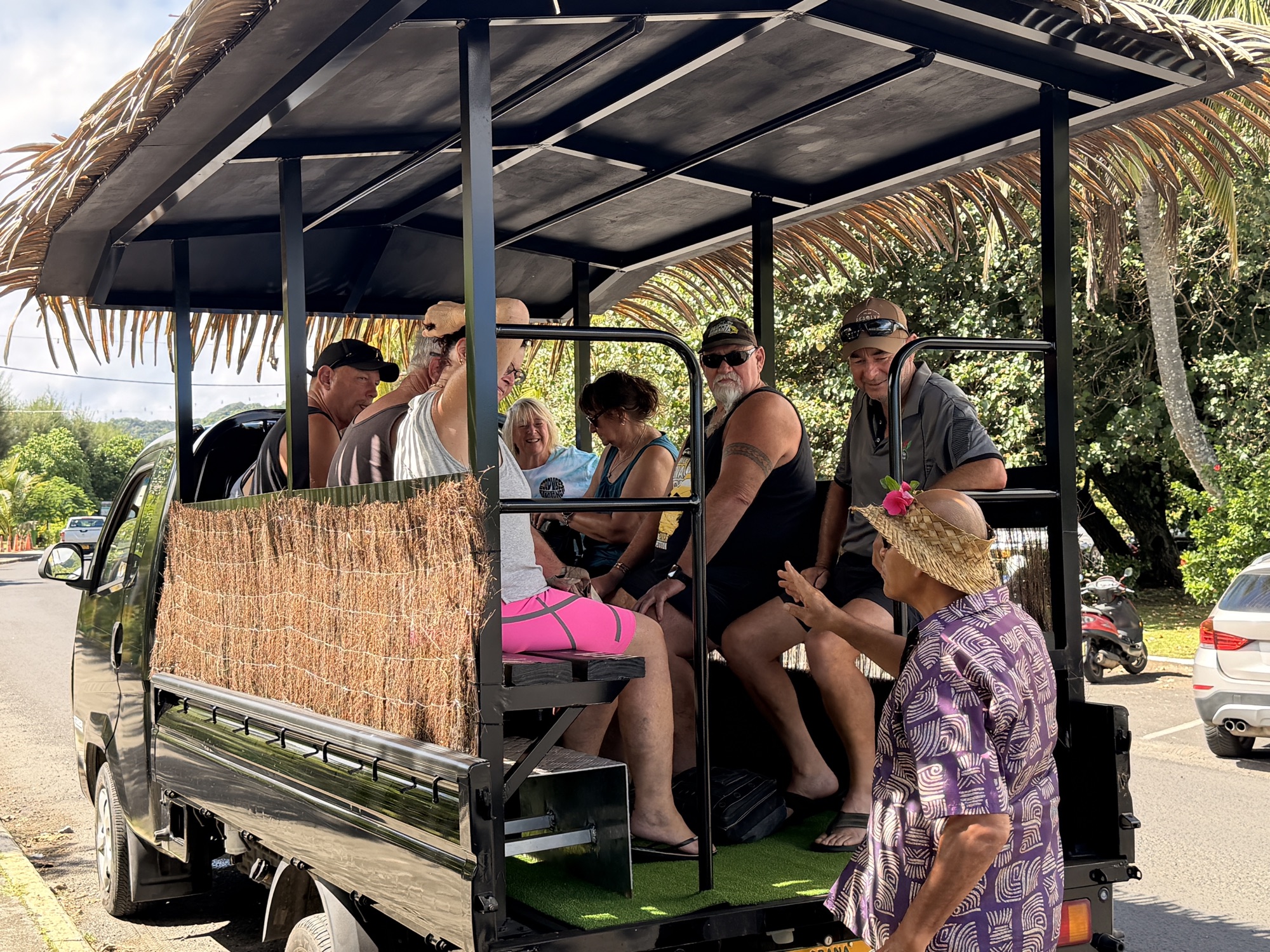
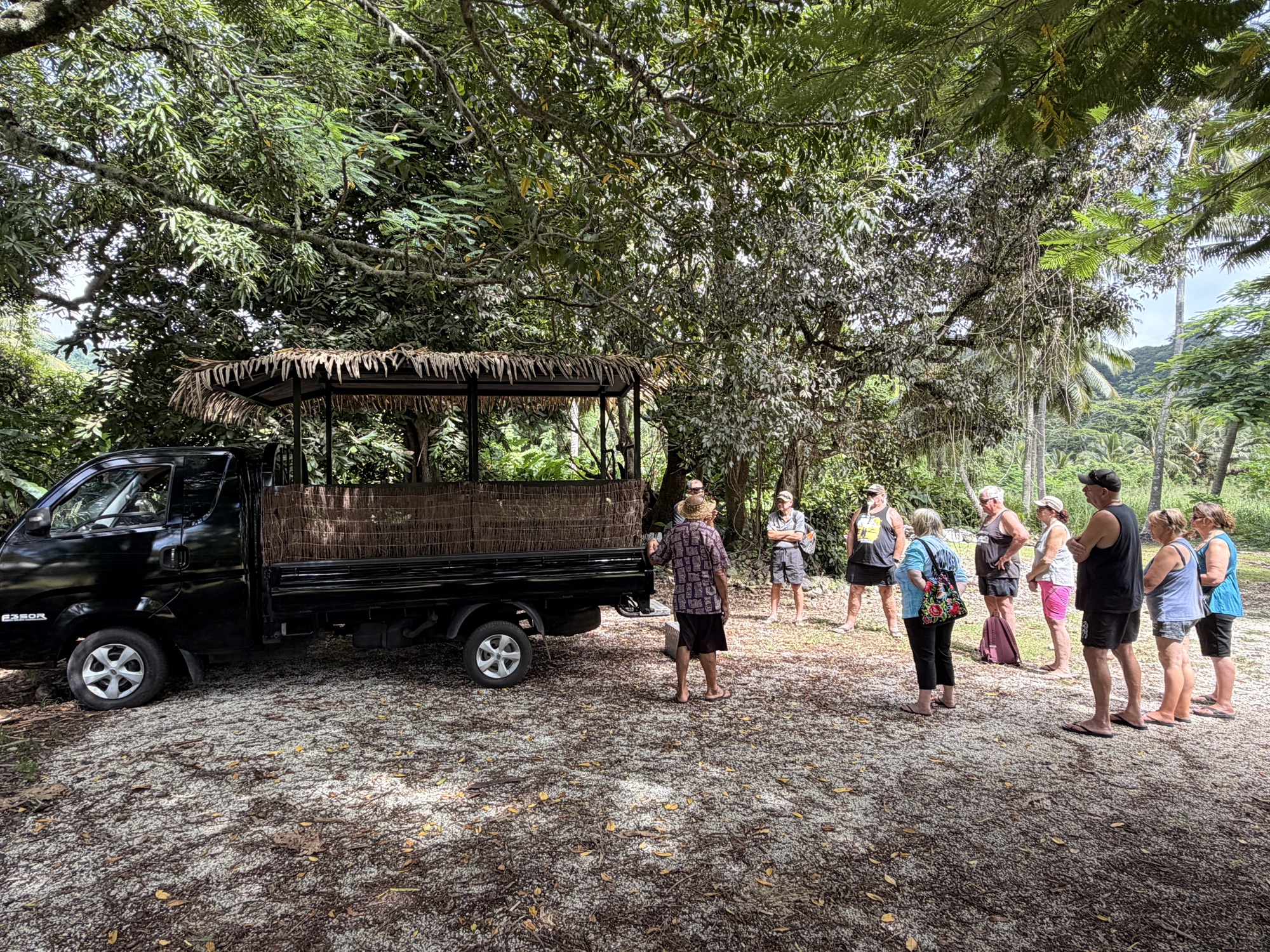
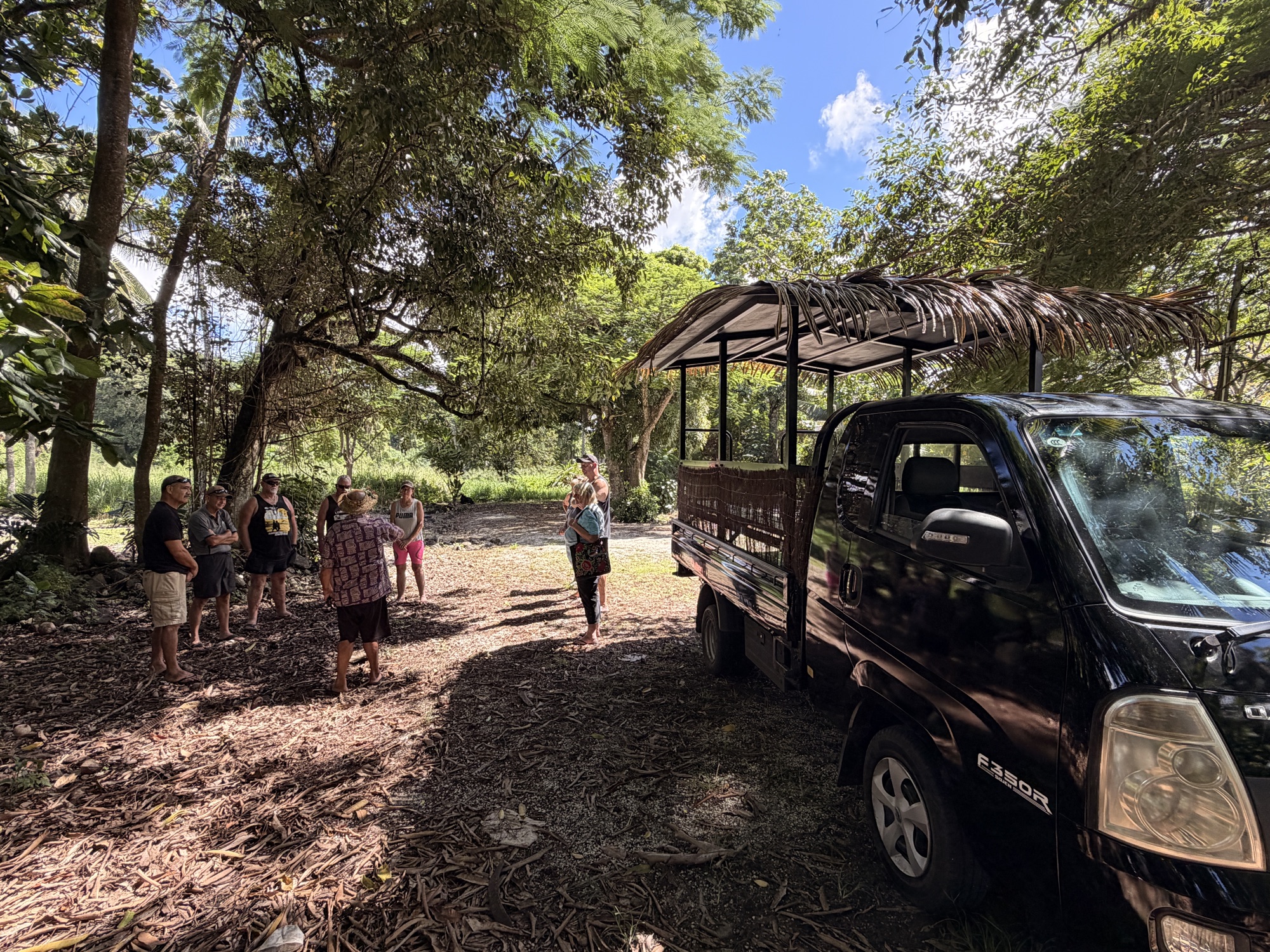
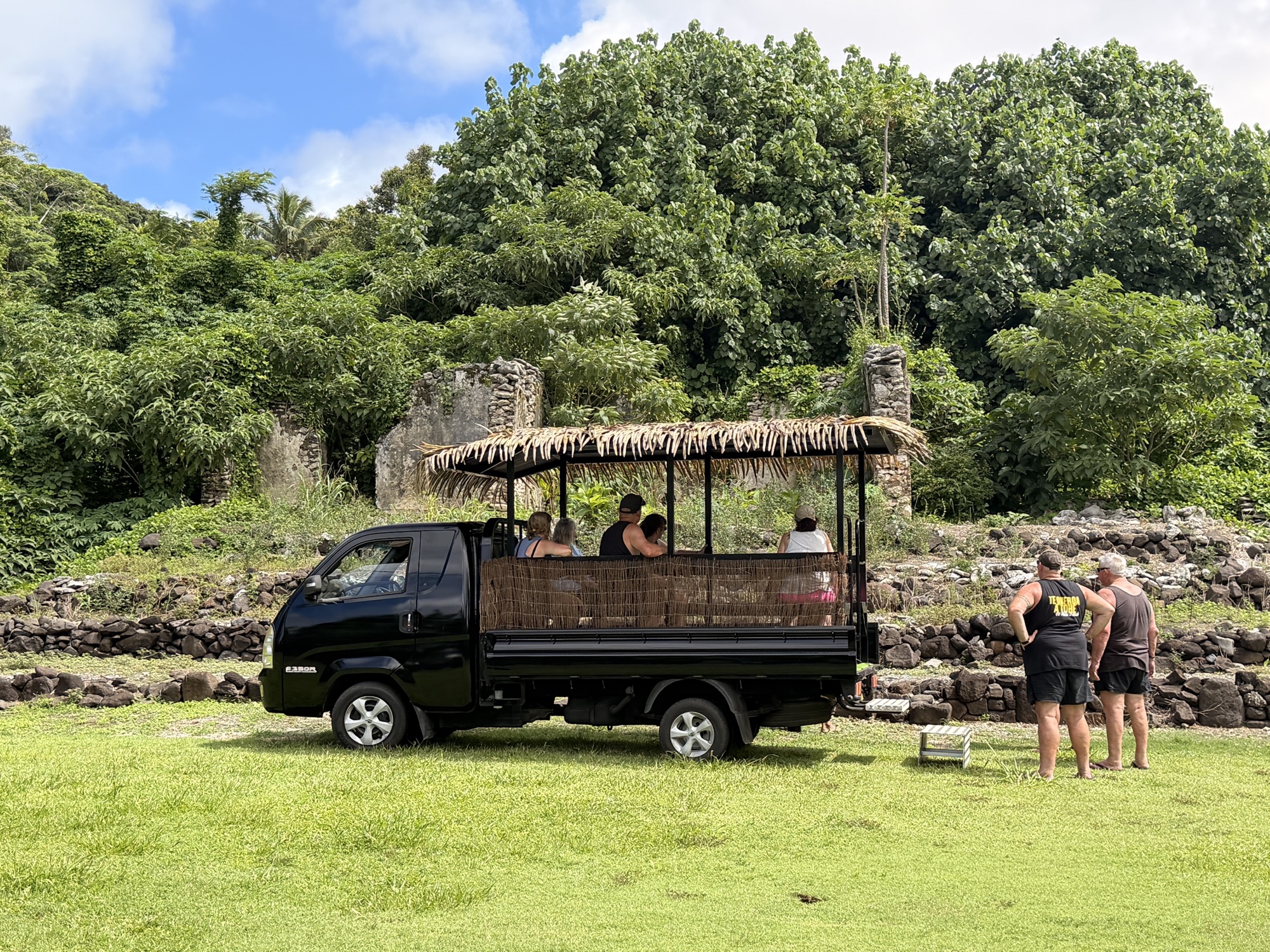
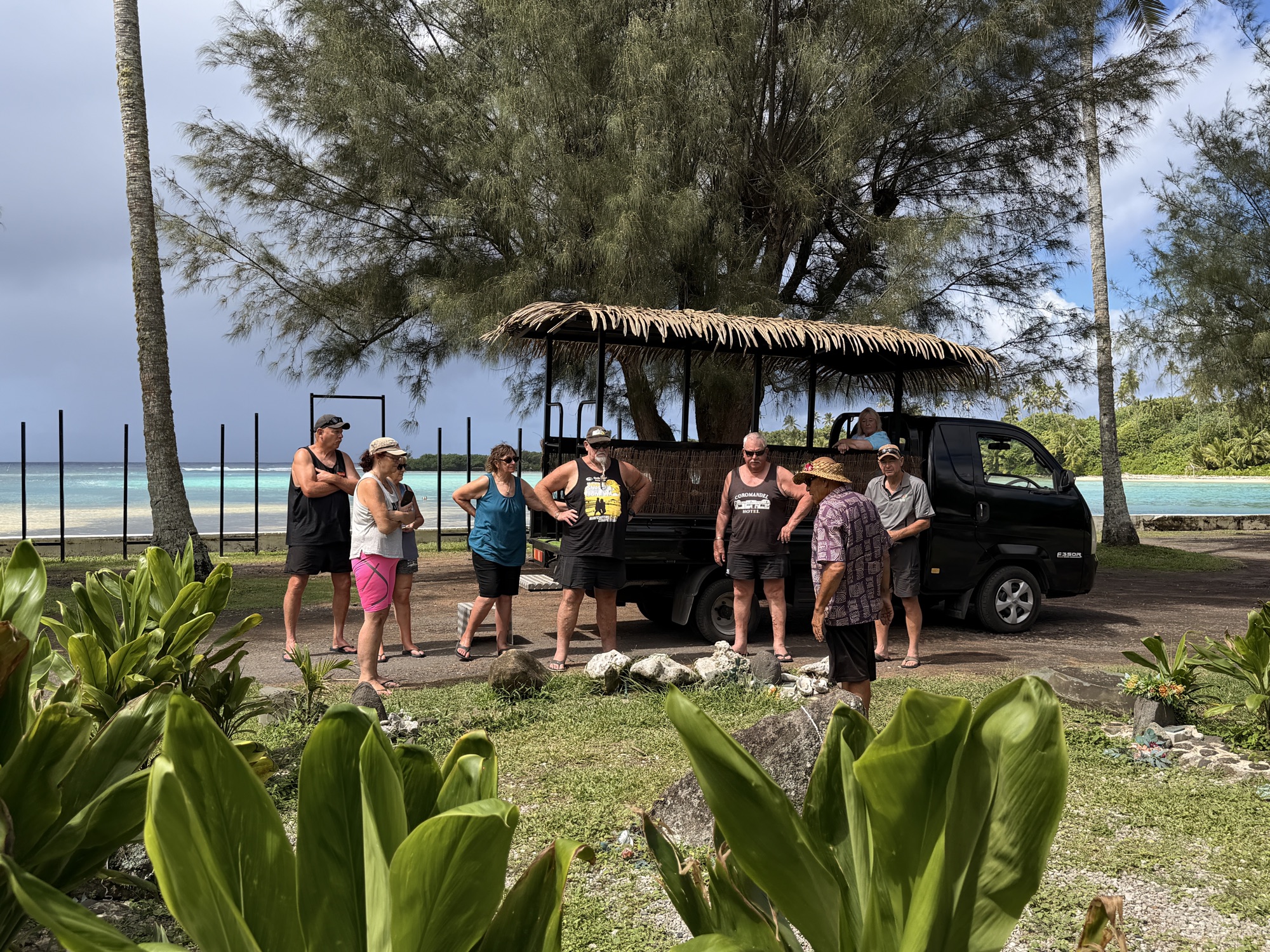
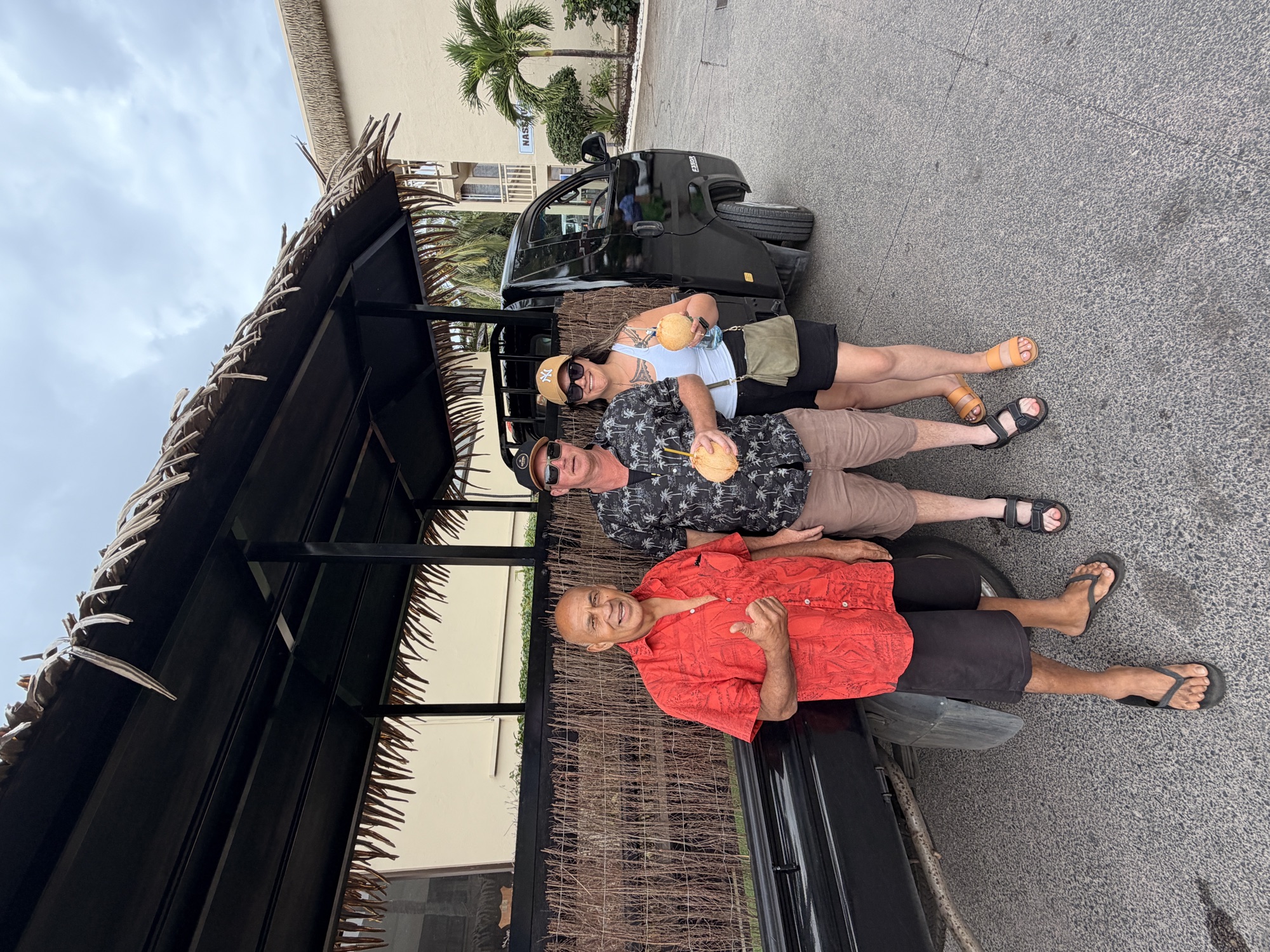
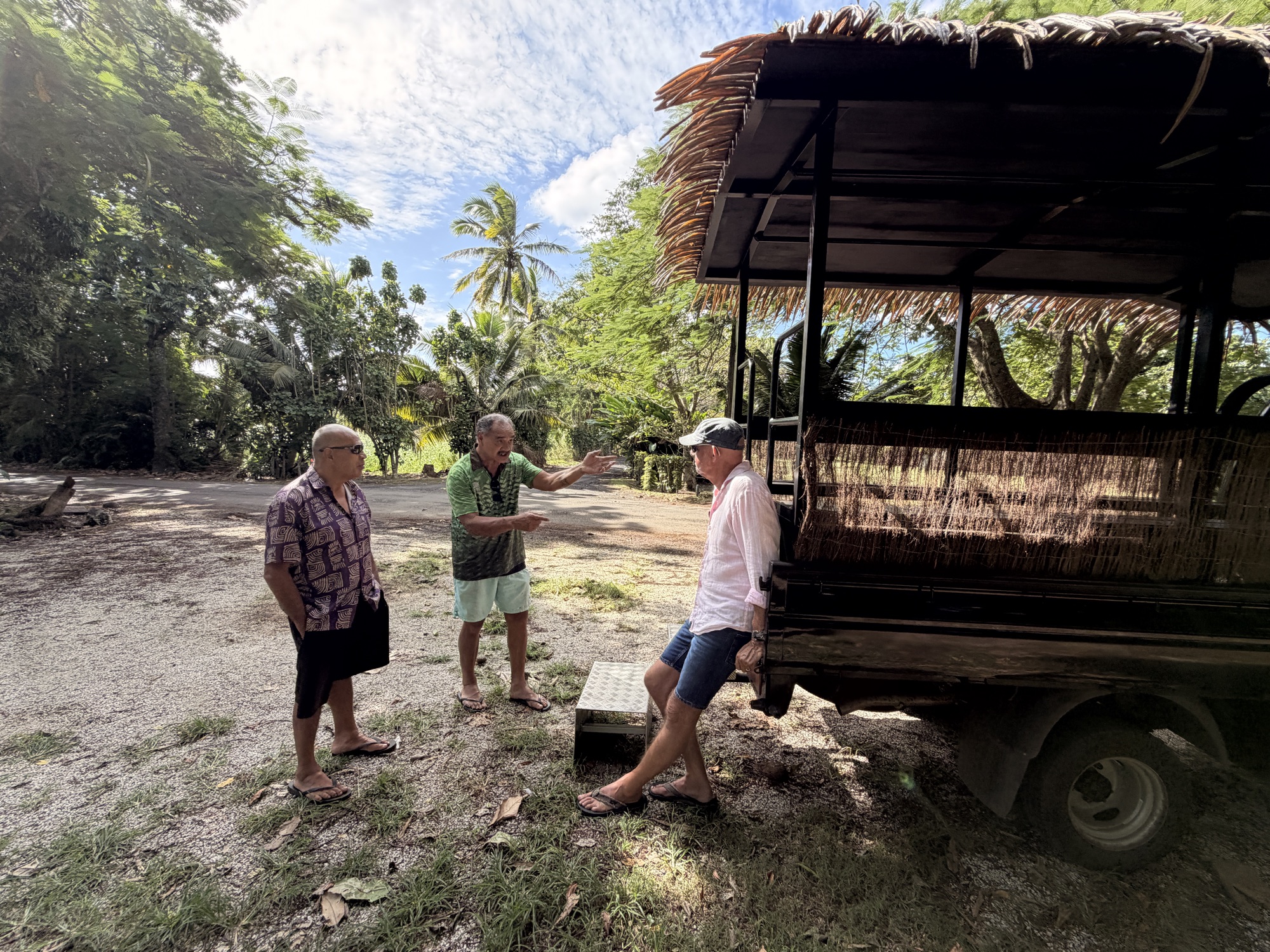
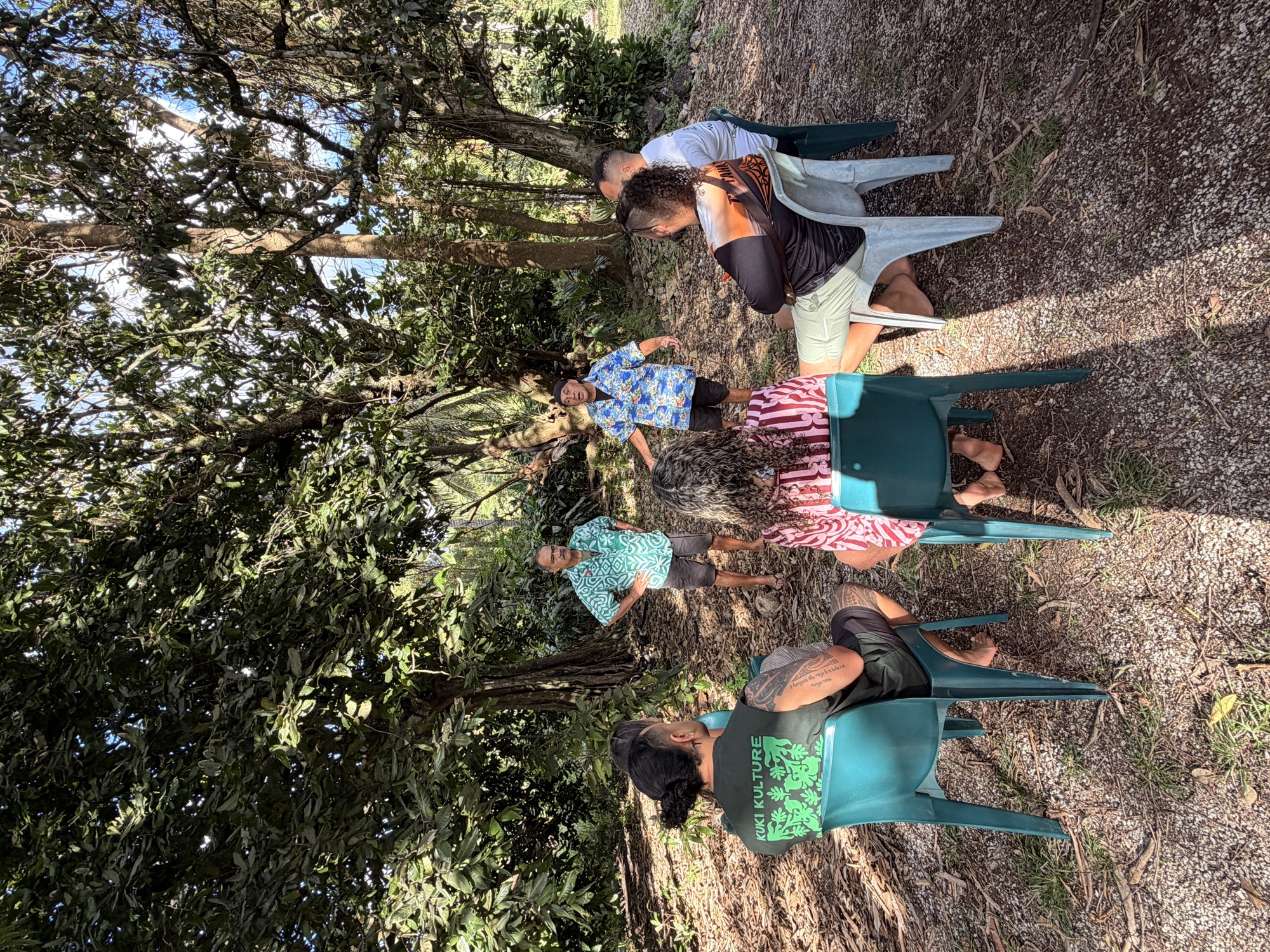
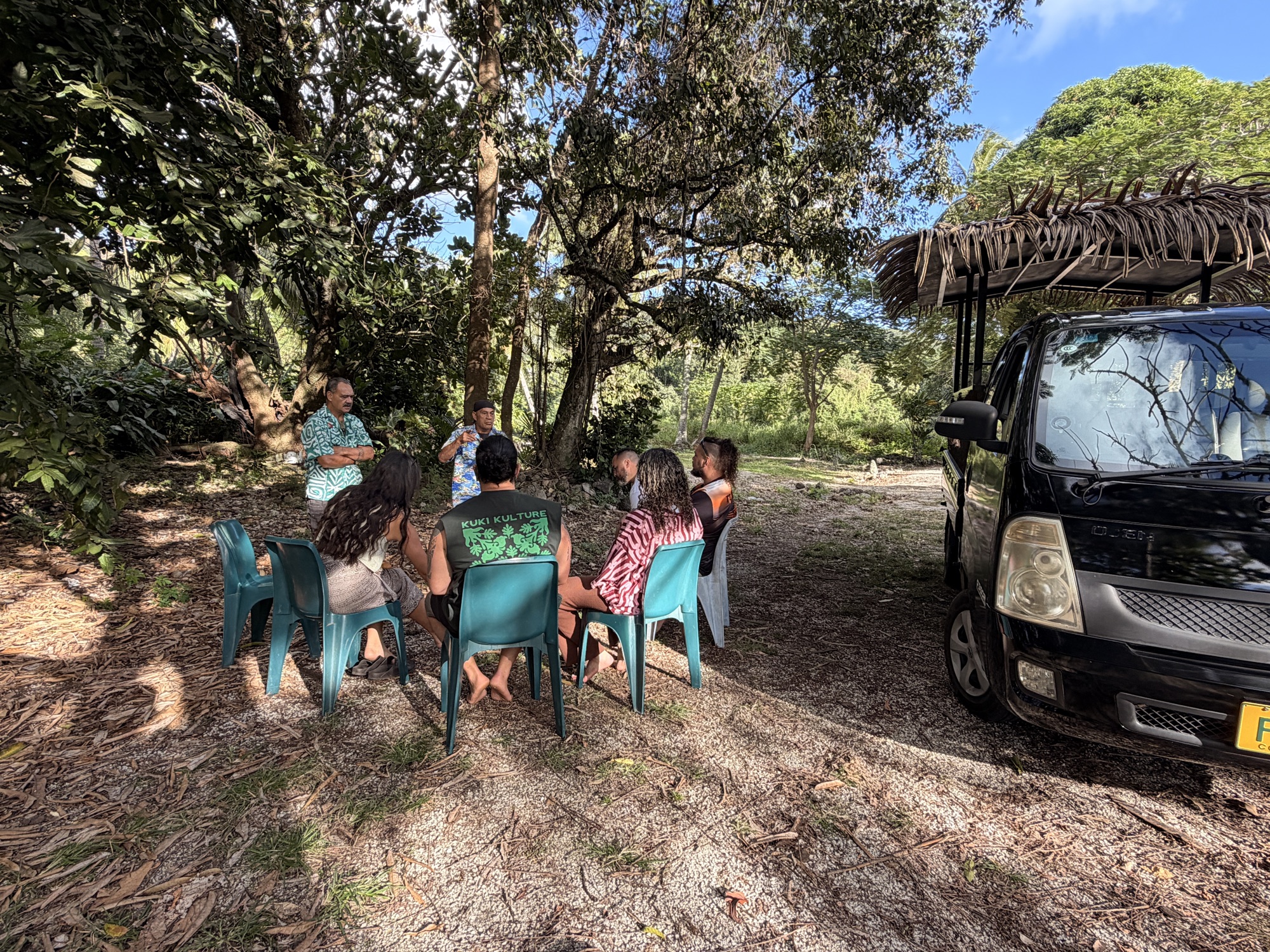
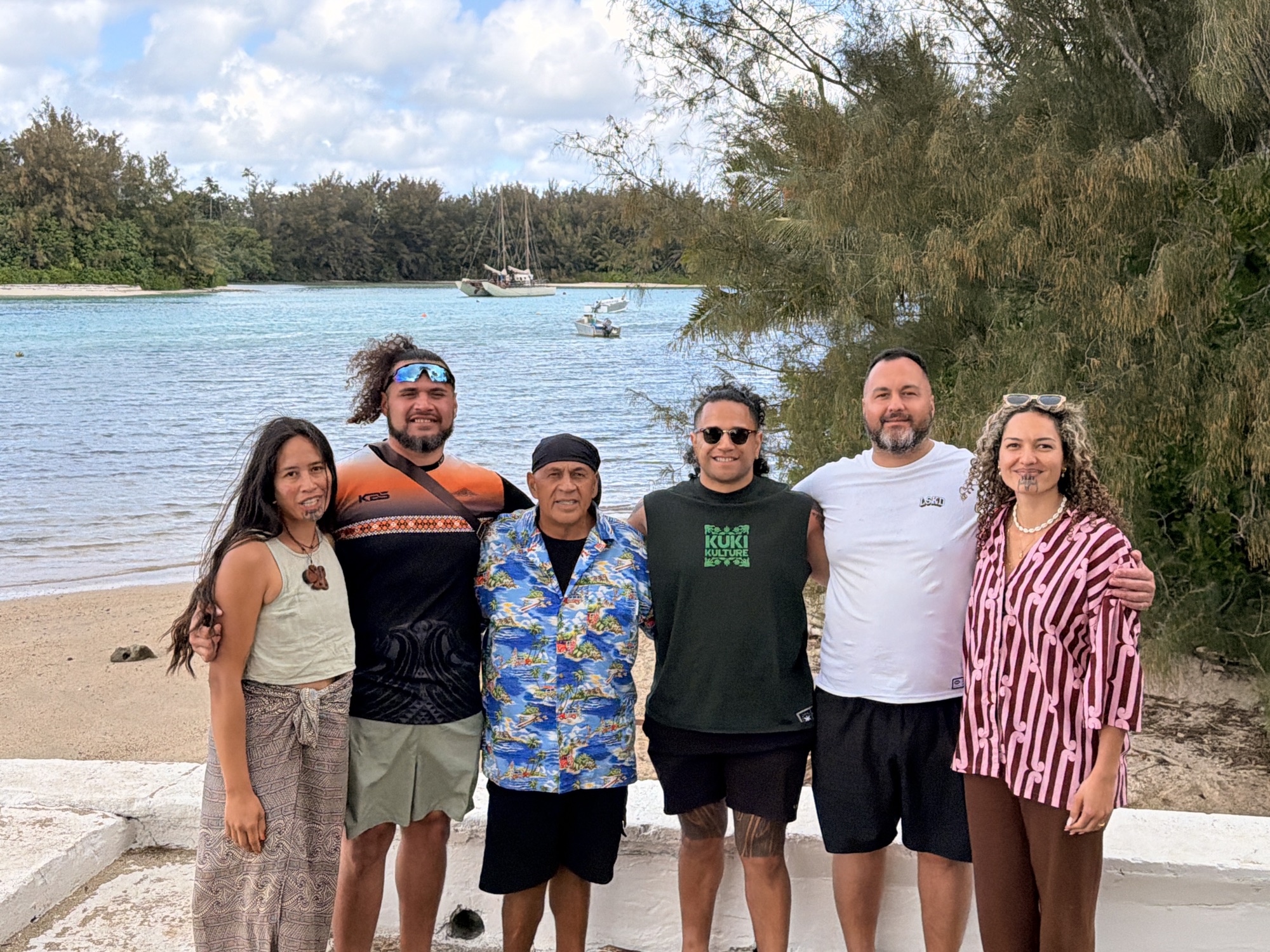
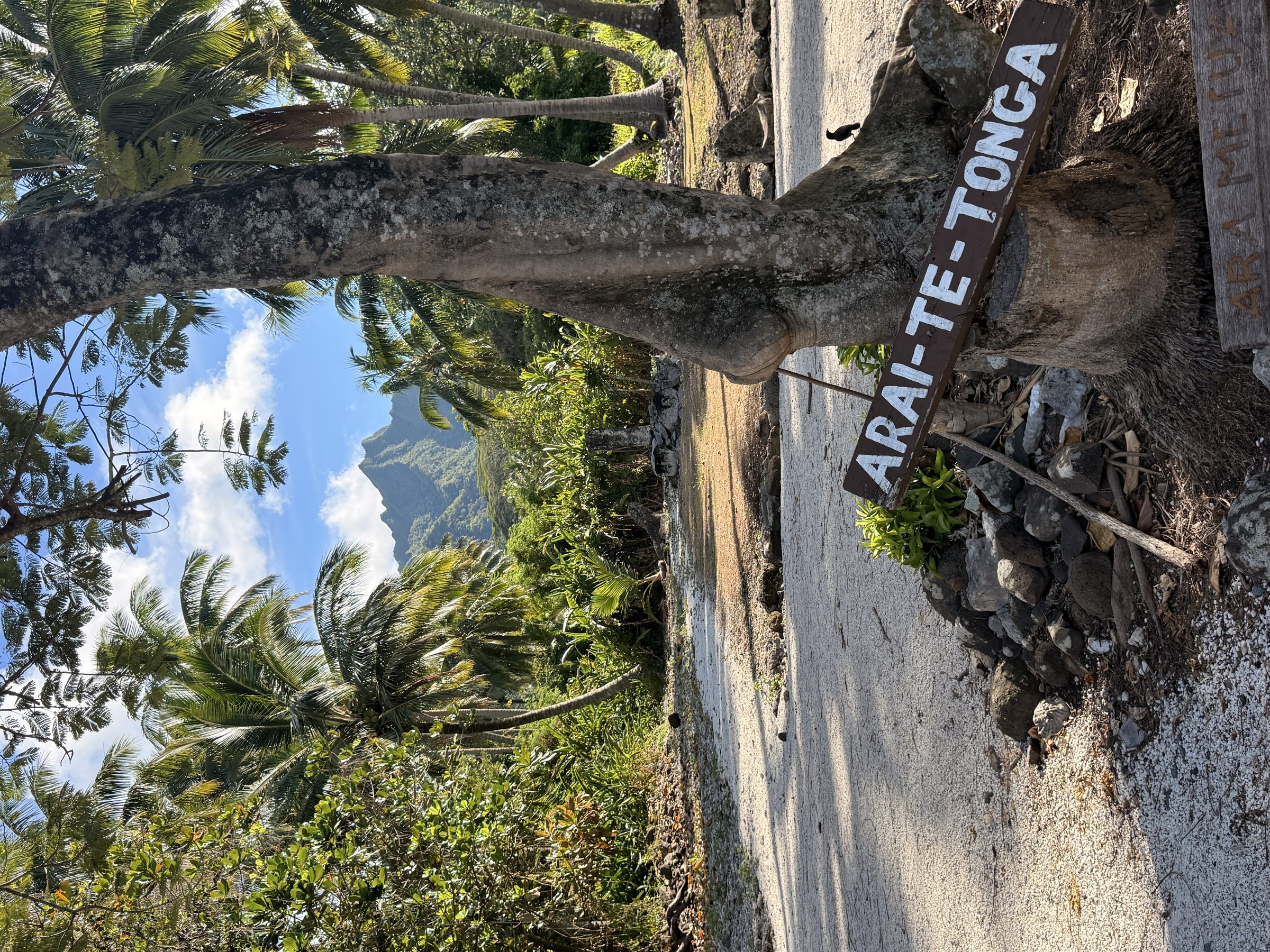
The day begins at Punanga Ariki and moves inland along Te Ara o Toi with local hosts. Papa Tita opens up the names, stories and connections that sit under these roads. It is not a rush-around-the-island kind of tour. We take our time, have a yarn, stop where the kōrero lives and let the island tell the story properly.

The story began long before the waka reached Aotearoa.

There are two sides
to every story.

In Aotearoa, many of us know the names of the great waka and the places where they arrived. Te Waka Tour shares the northern side of that voyage: the islands, people, knowledge and pathways that made the journey possible.

Travelling in great ocean-going vaka, waka and va'a, our voyaging tūpuna turned Te Moana-nui-a-Kiwa from what looked like one huge ocean into a network of connected pathways. They read the birds, stars, swell, sun, clouds and ocean life. No Google Maps, cuz — just generations of knowledge and some seriously skilled navigators.

Over time those navigators settled islands right across the central and southern Pacific before reaching Aotearoa. Some stayed. Others returned north with kōrero of a big southern land where it was cooler, but there was plenty of kai, space and resources.

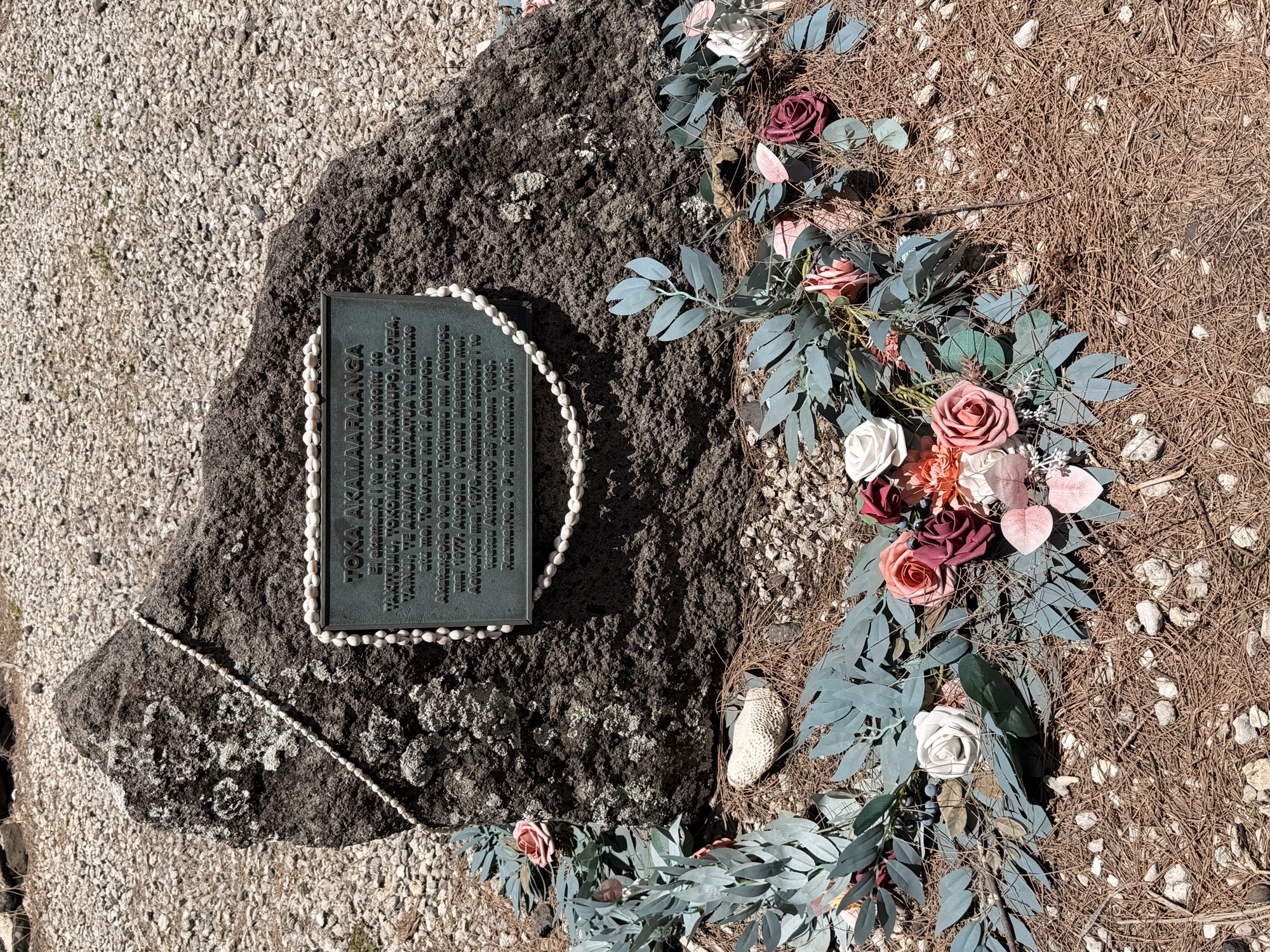
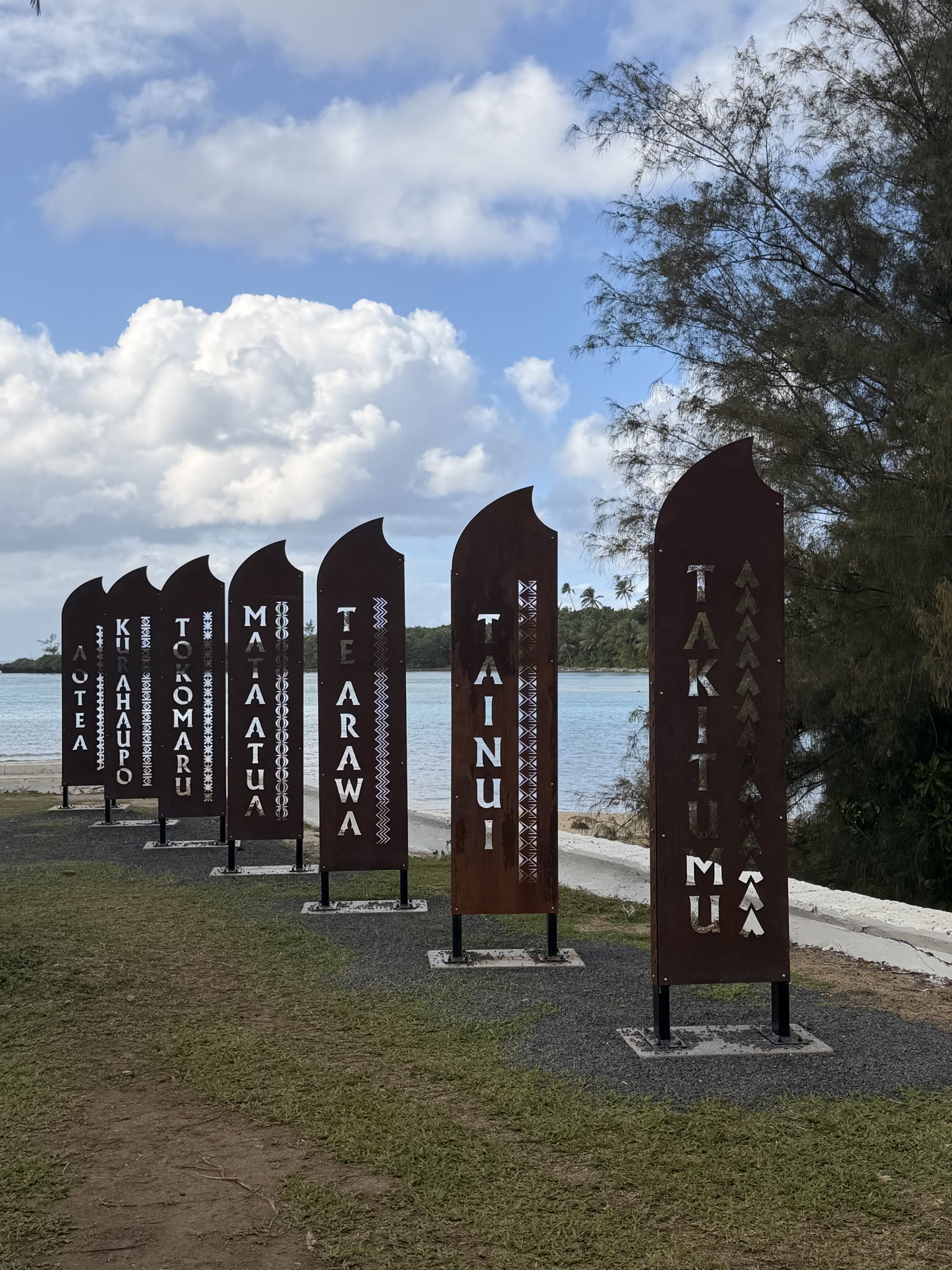
Oral histories in the Cook Islands and Aotearoa tell of waka gathering at Avana in Rarotonga before heading south. Seven are commonly named: Aotea, Tainui, Te Arawa, Mataatua, Takitumu, Tokomaru and Kurahaupō.

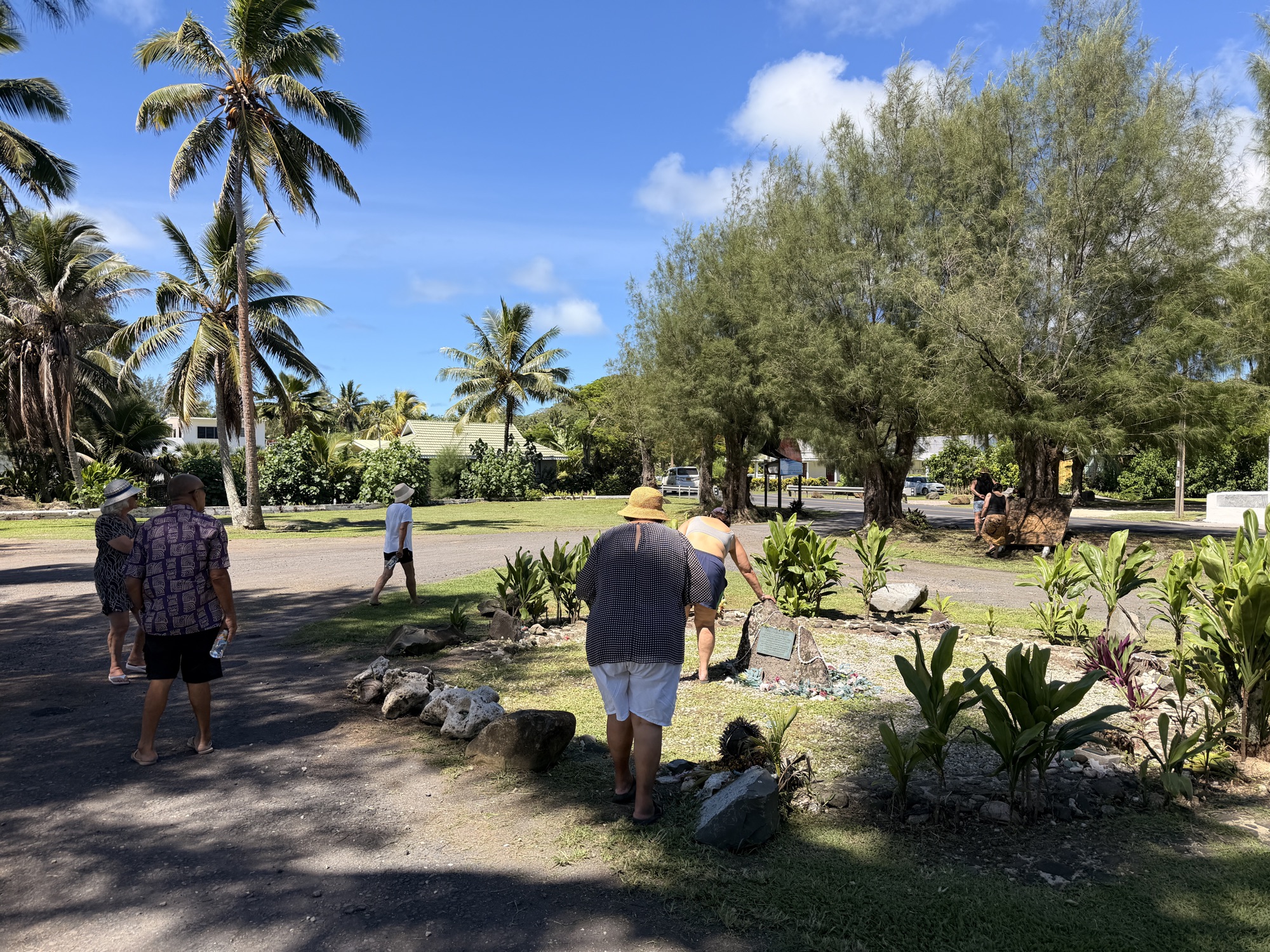
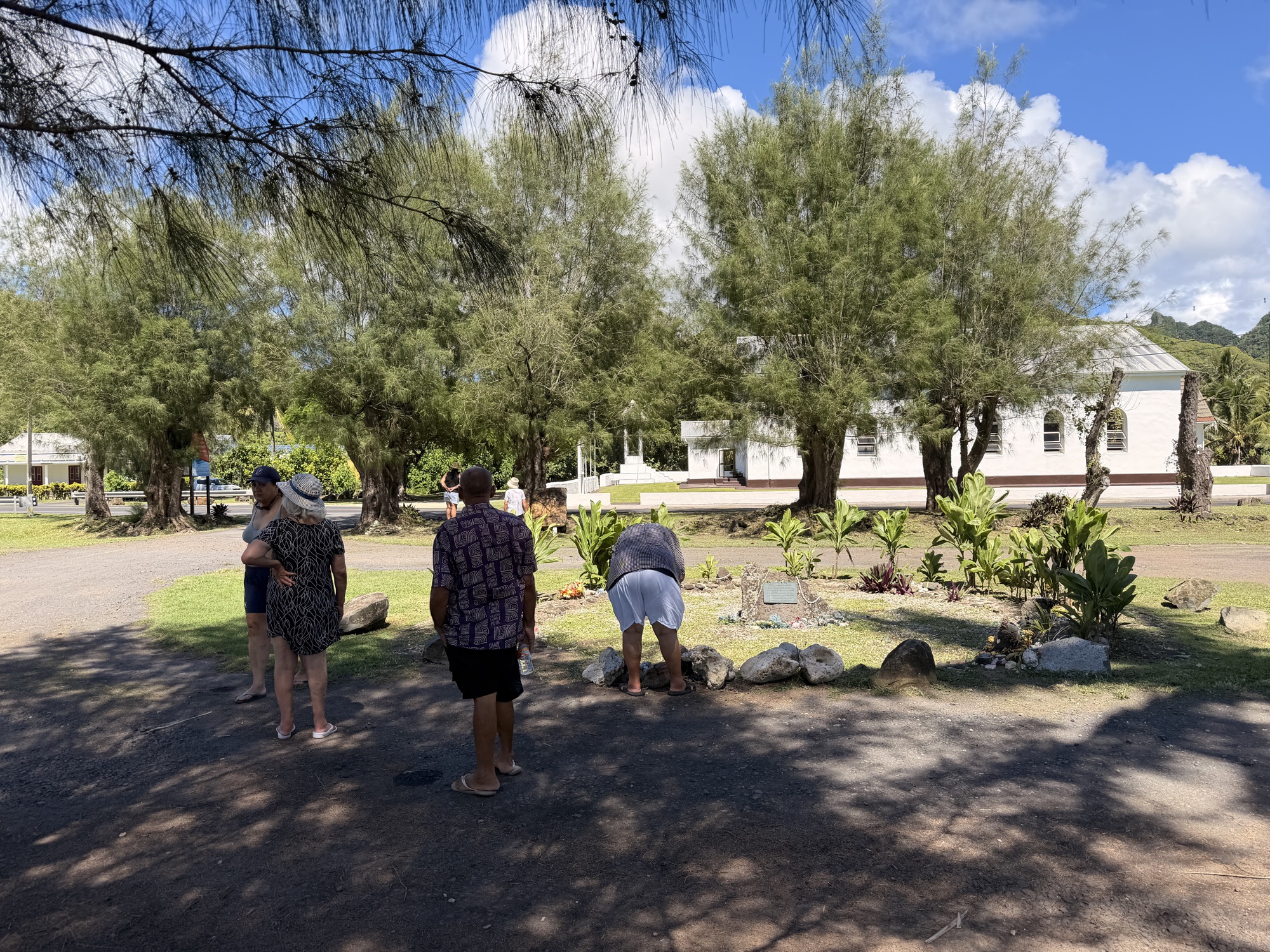
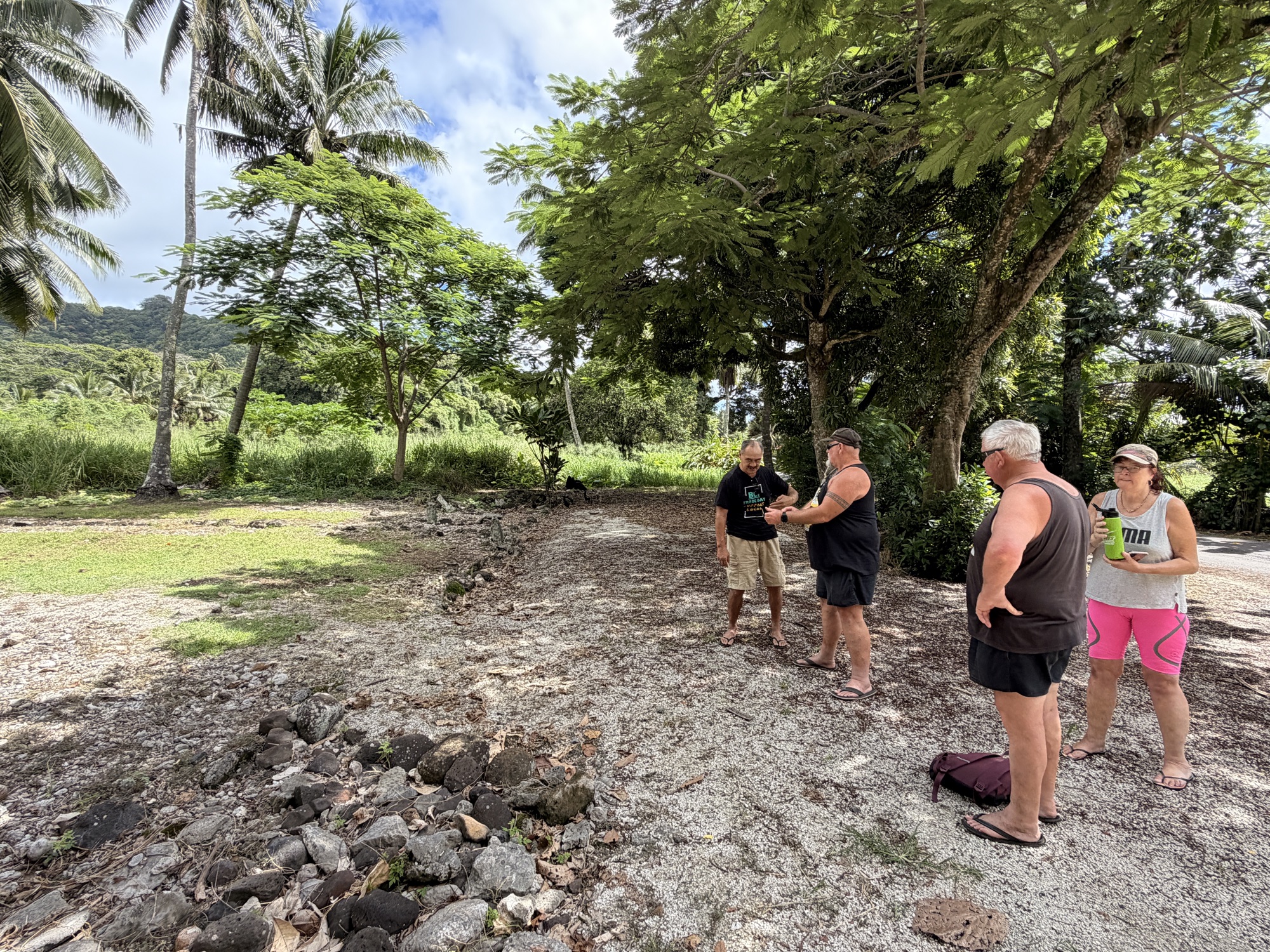
This tour puts that kōrero back onto the whenua where part of the story unfolded. Papa Tita and the Te Vaka crew connect Taputapuātea in Raʻiātea, Rarotonga and Aotearoa, sharing the histories of navigators and tūpuna including Kupe, Toi and Arera Ukarau. We travel Te Ara o Toi, visit Punanga Ariki and start joining the dots between the stories we grew up with back home and their Pacific origins.

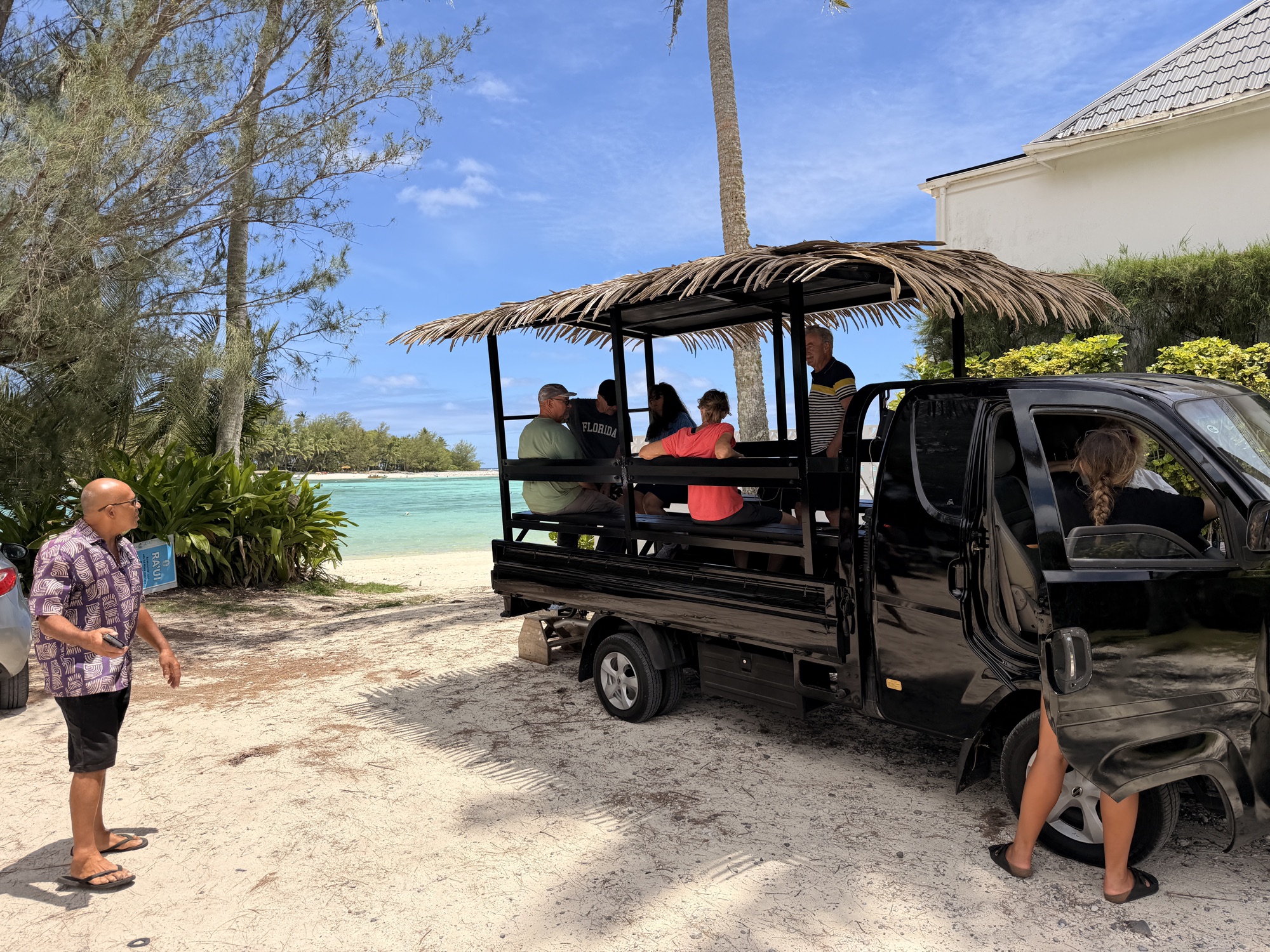
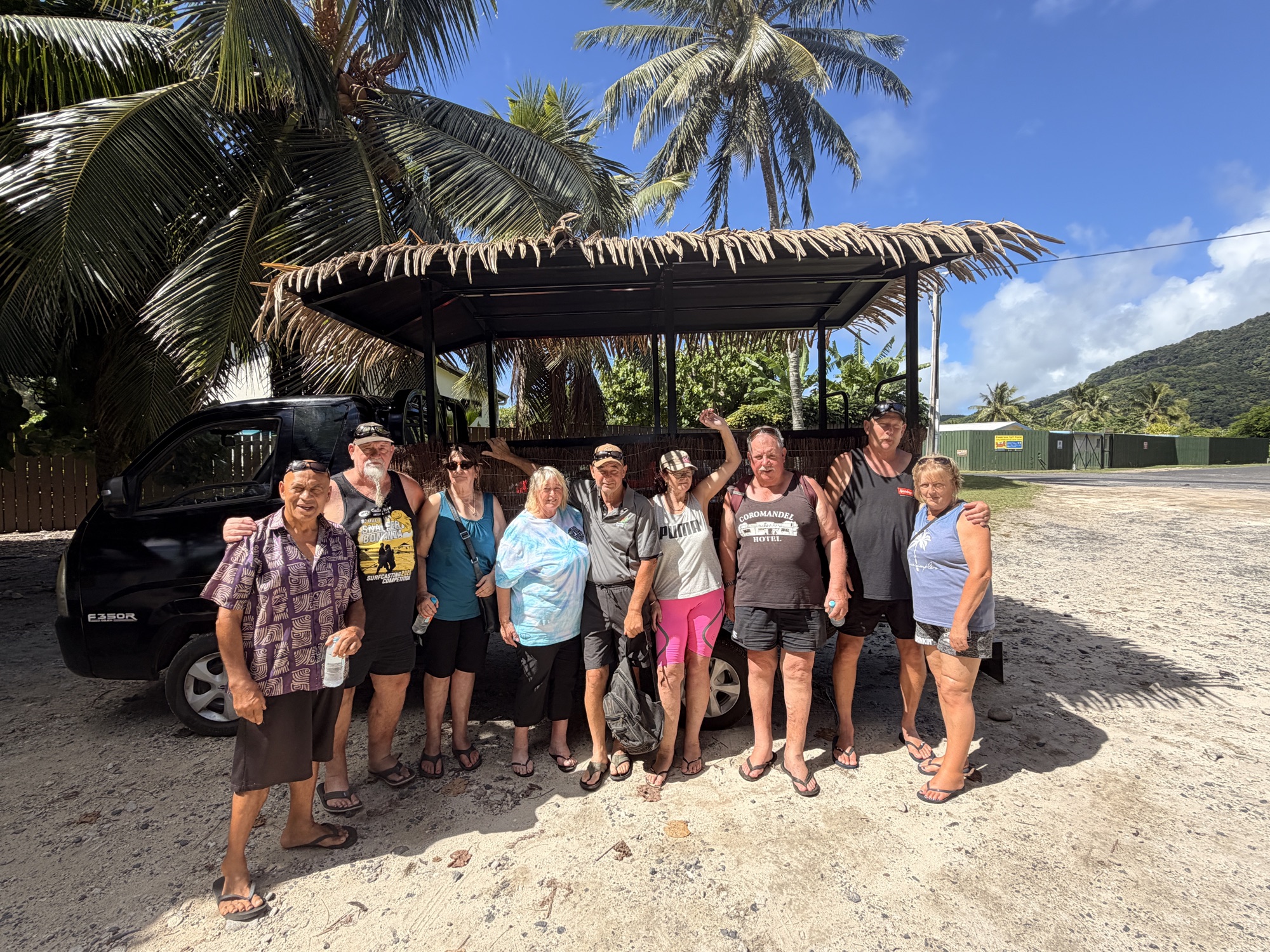
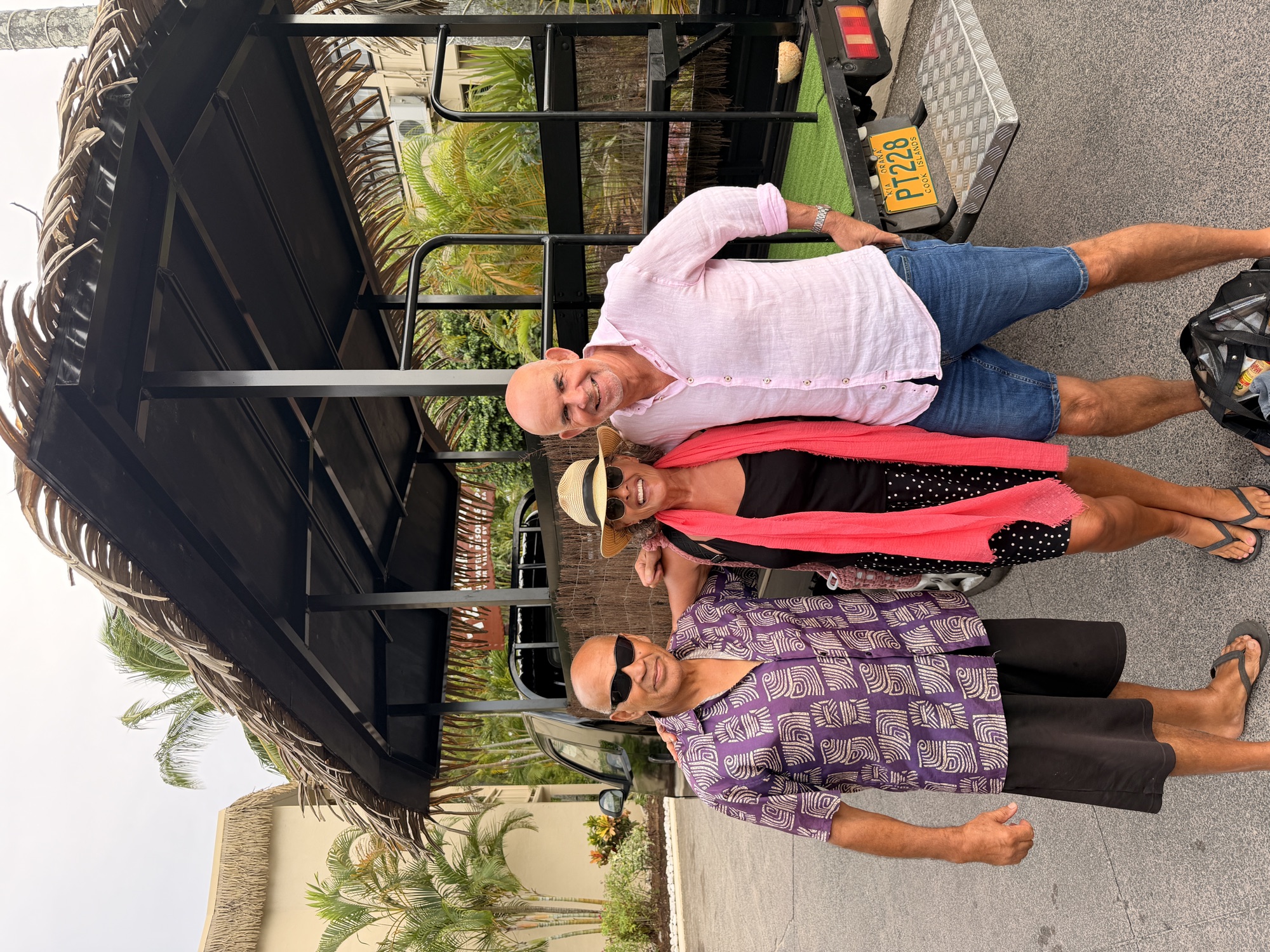
We can pick you up from your accommodation, or you can meet us at Nikao Social Centre. We finish back at Nikao with a seasonal shared island kai — nothing flash, just good kai, good kōrero and a chance to sit together before you head off.
01 — Reconnect

Reconnect.
Connect the waka traditions we know in Aotearoa with the islands and people they came from.

For some whānau it is history. For others it hits a bit closer to home. Either way, this is a chance to put familiar waka names back into the wider Pacific story.

02 — Follow in the footsteps

Follow in the
footsteps.

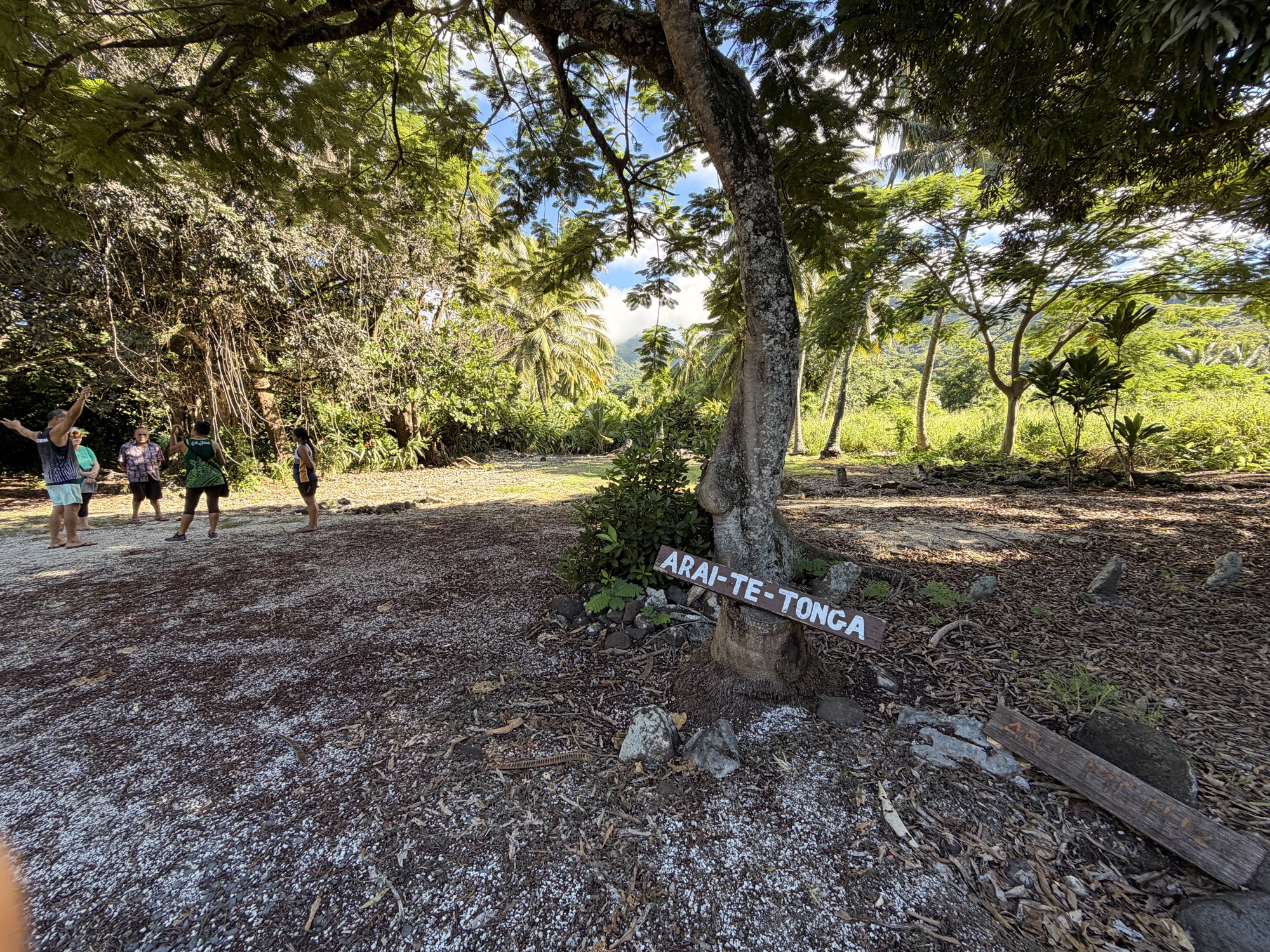
Walk the roads and old pathways our tūpuna knew, and hear the kōrero that still sits along them today.

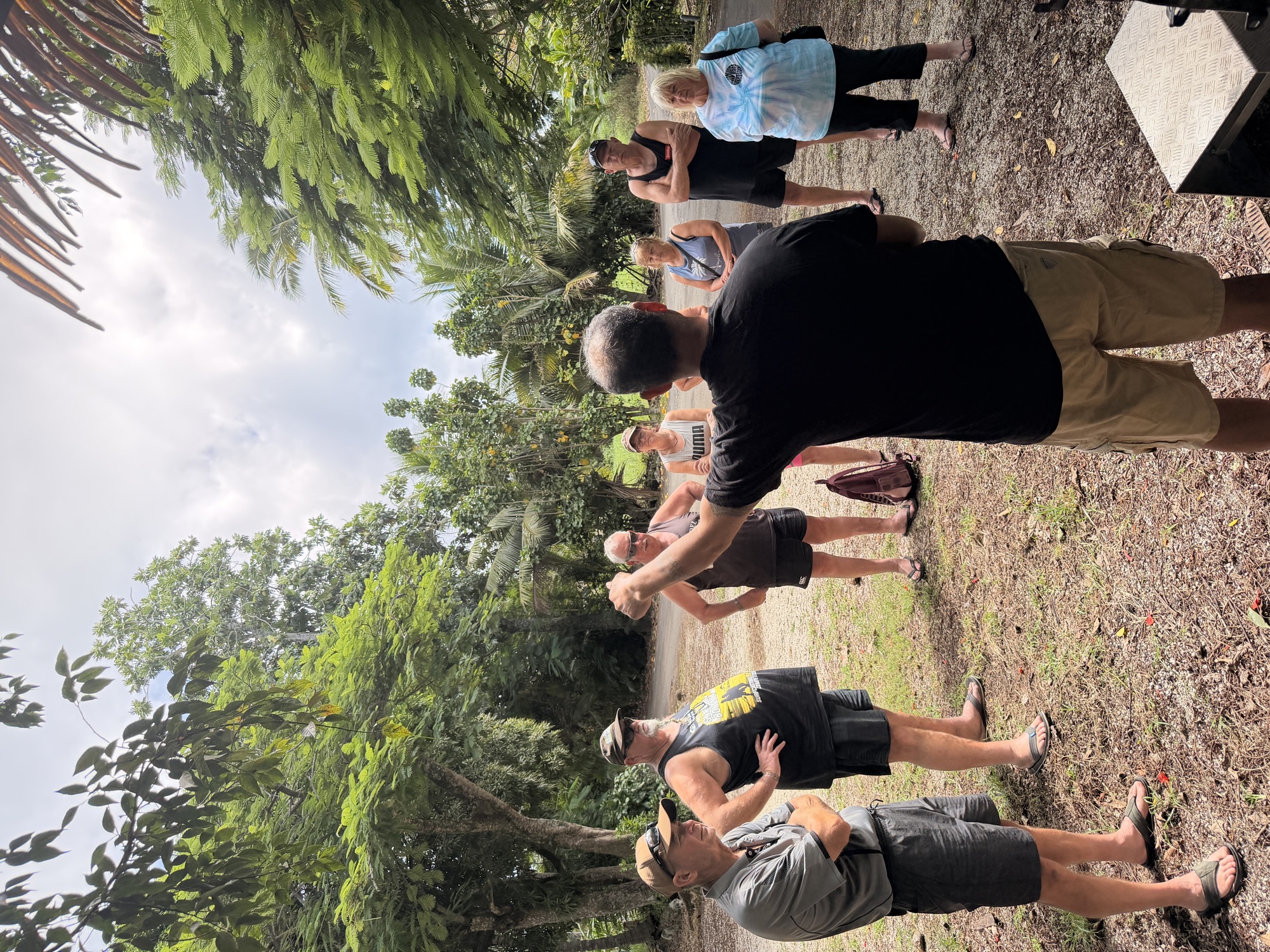
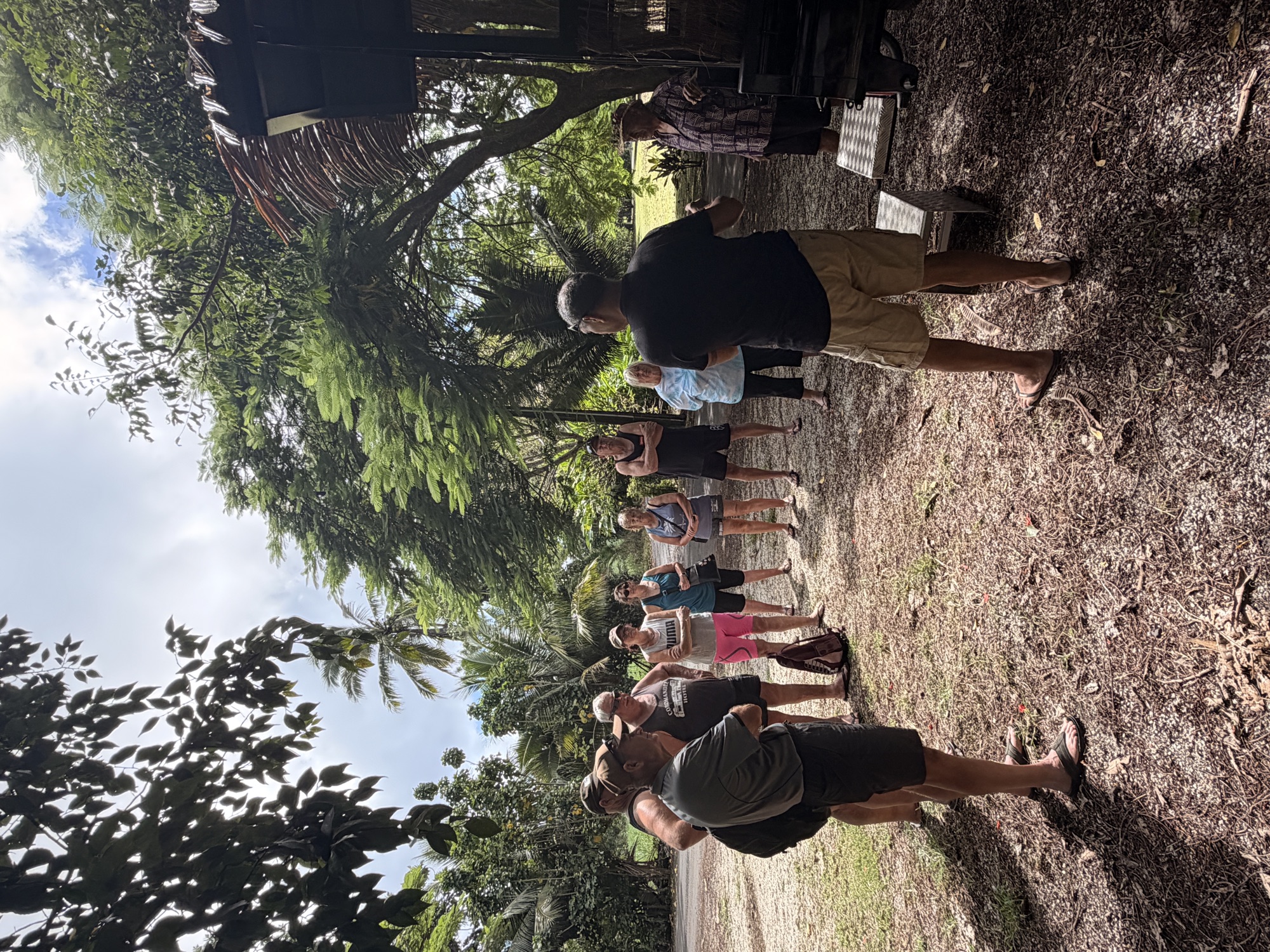
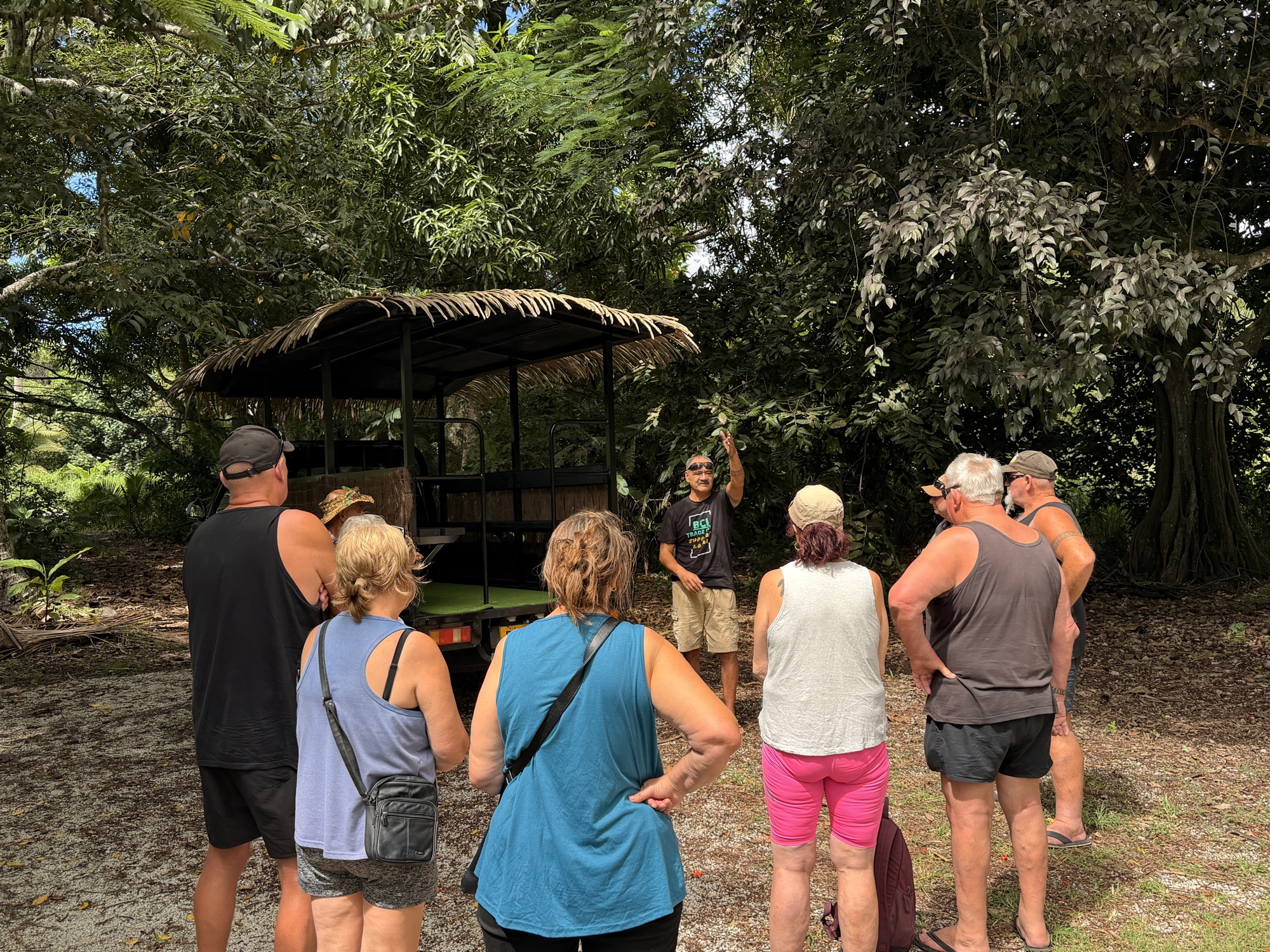
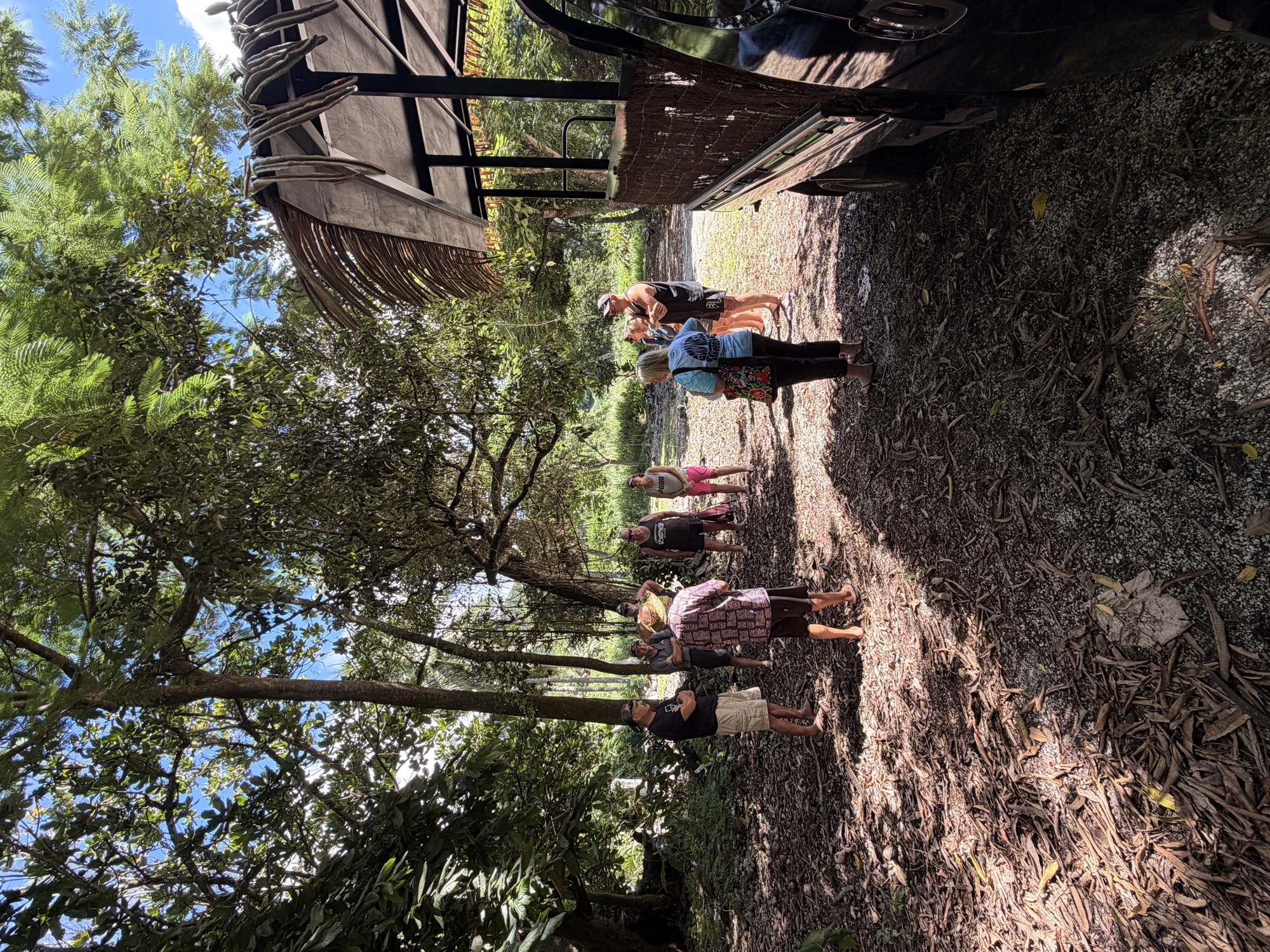
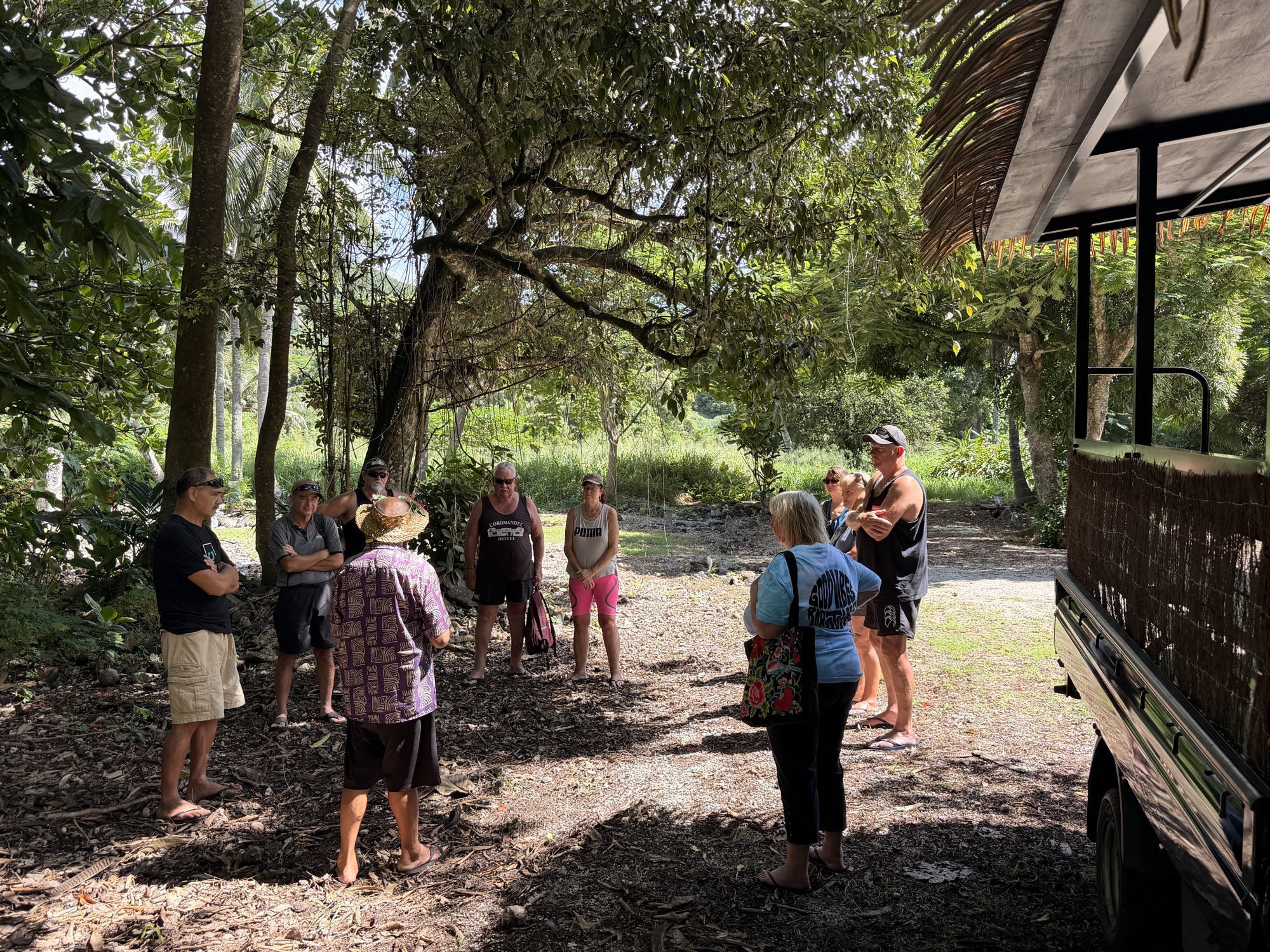
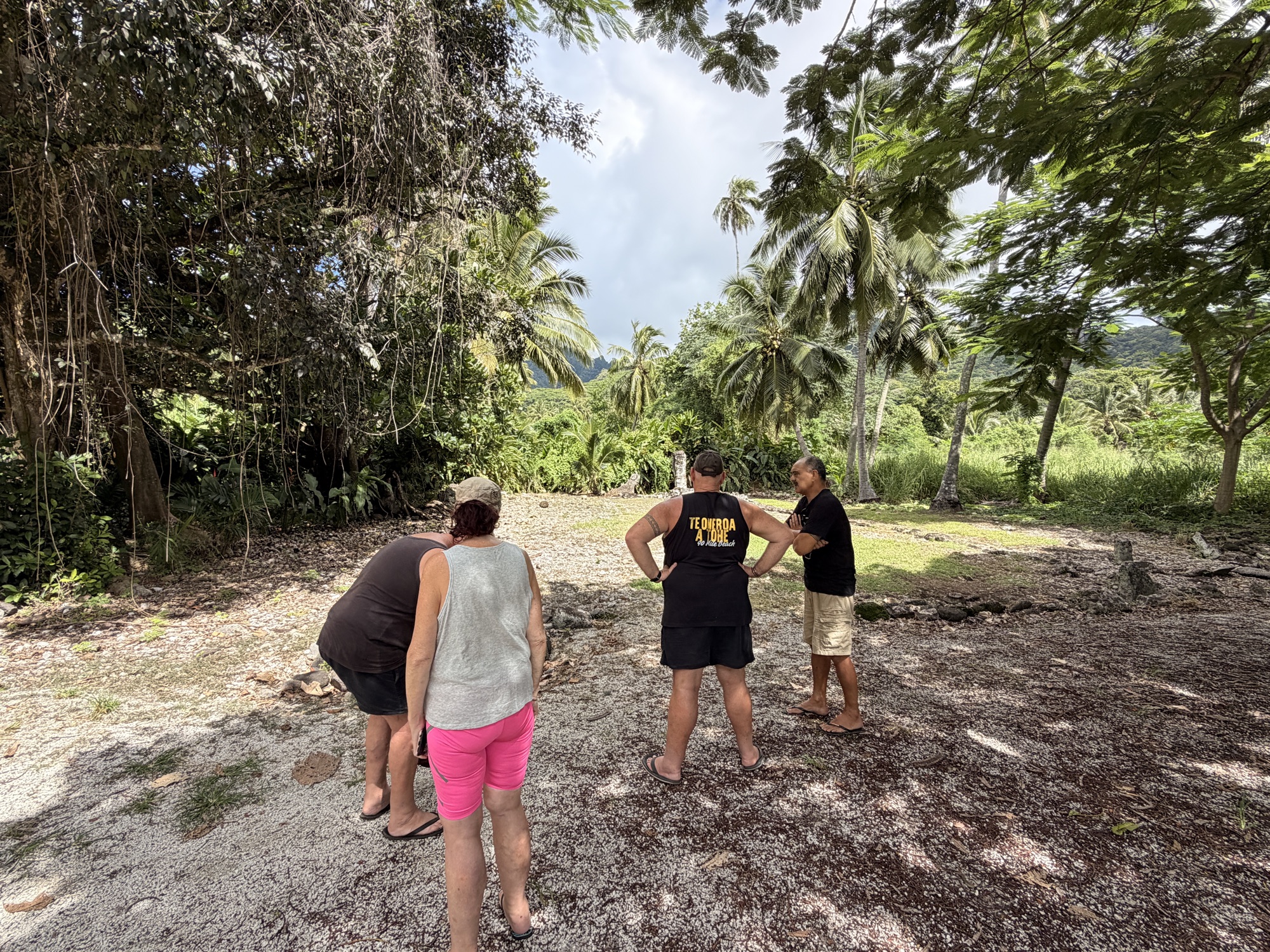
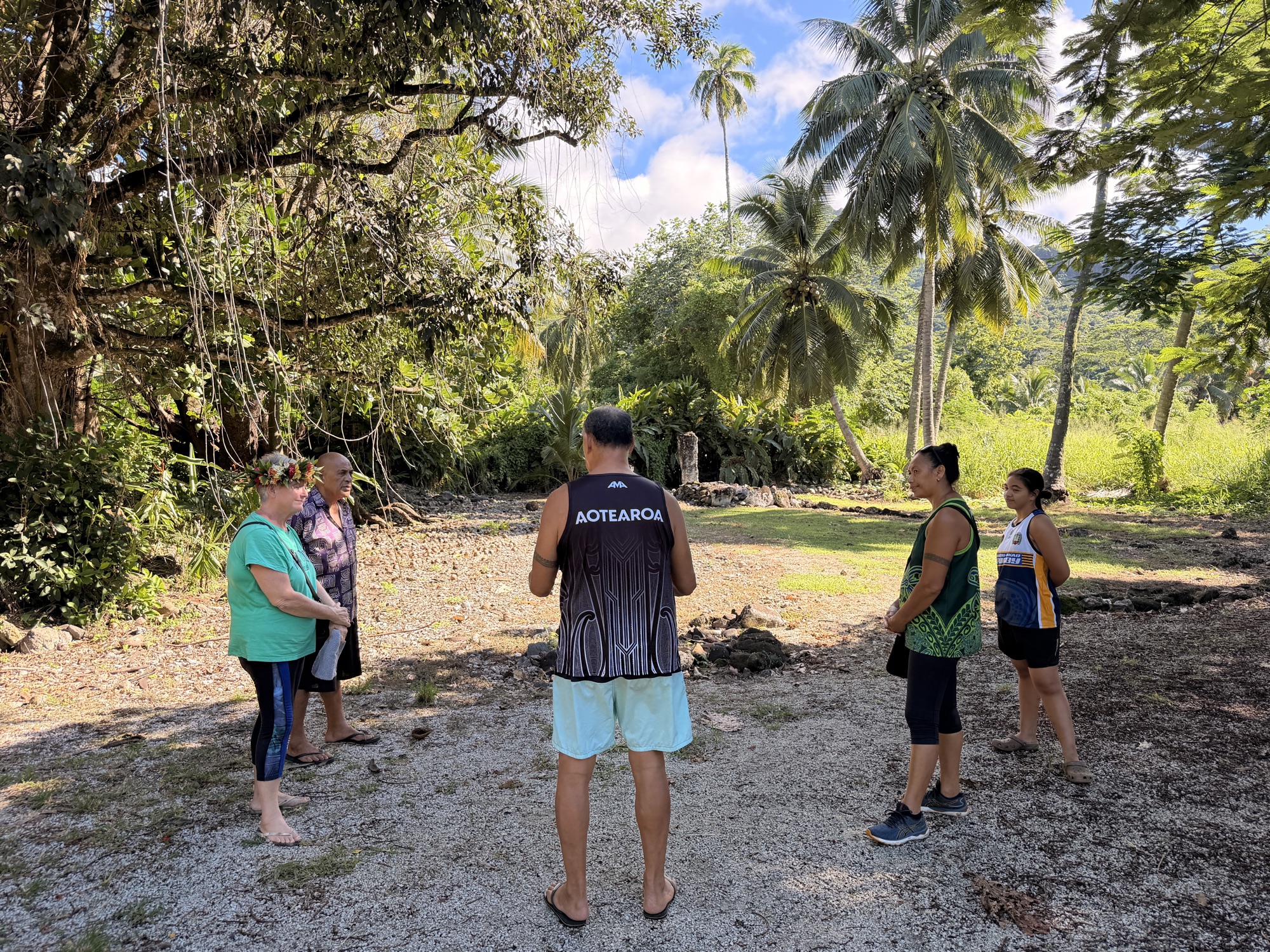
We are not just pointing out landmarks from a truck. We get out, walk a bit, yarn a bit and spend time in places where history is still part of everyday life.

03 — Local kōrero

Local kōrero.

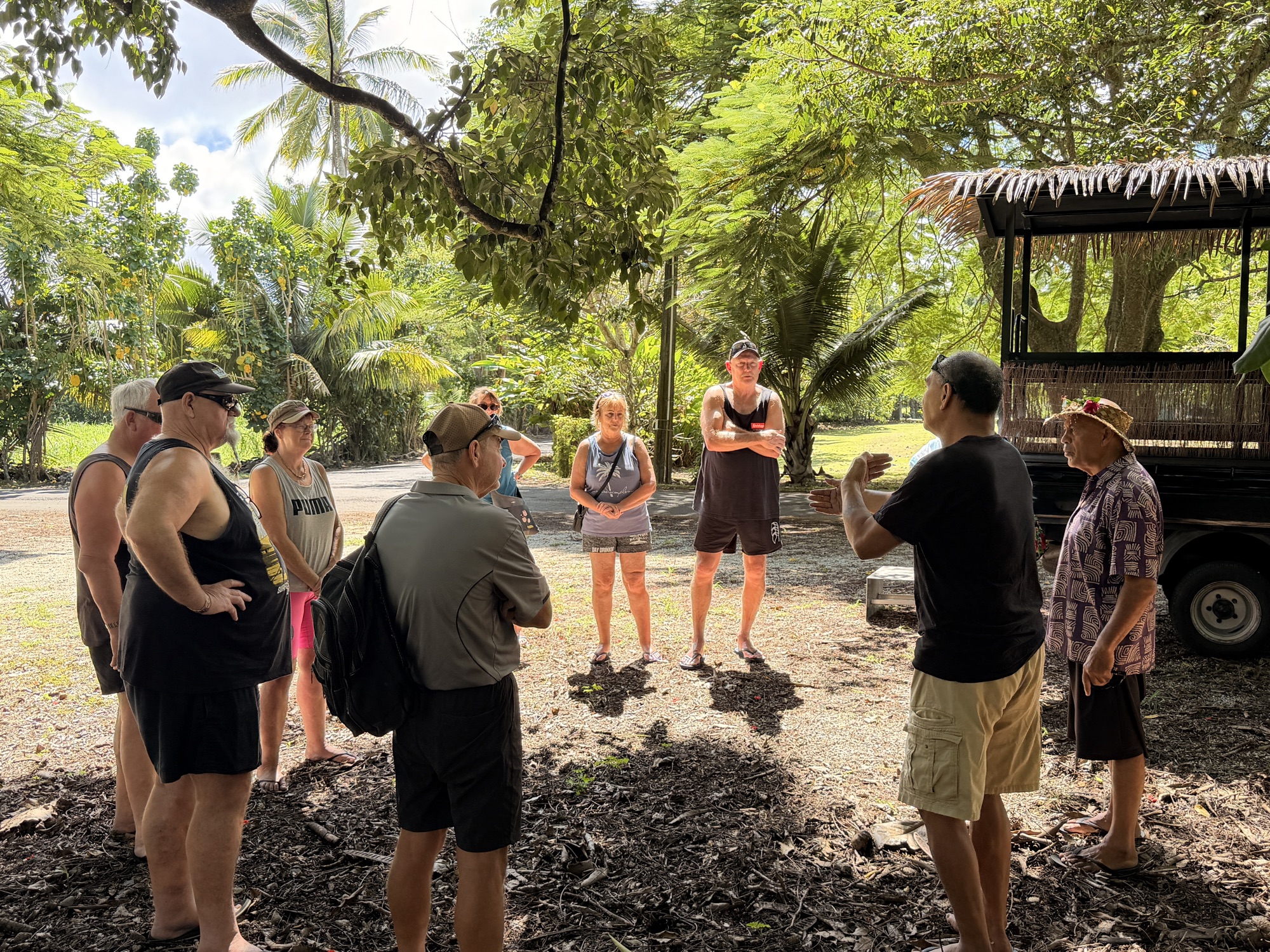
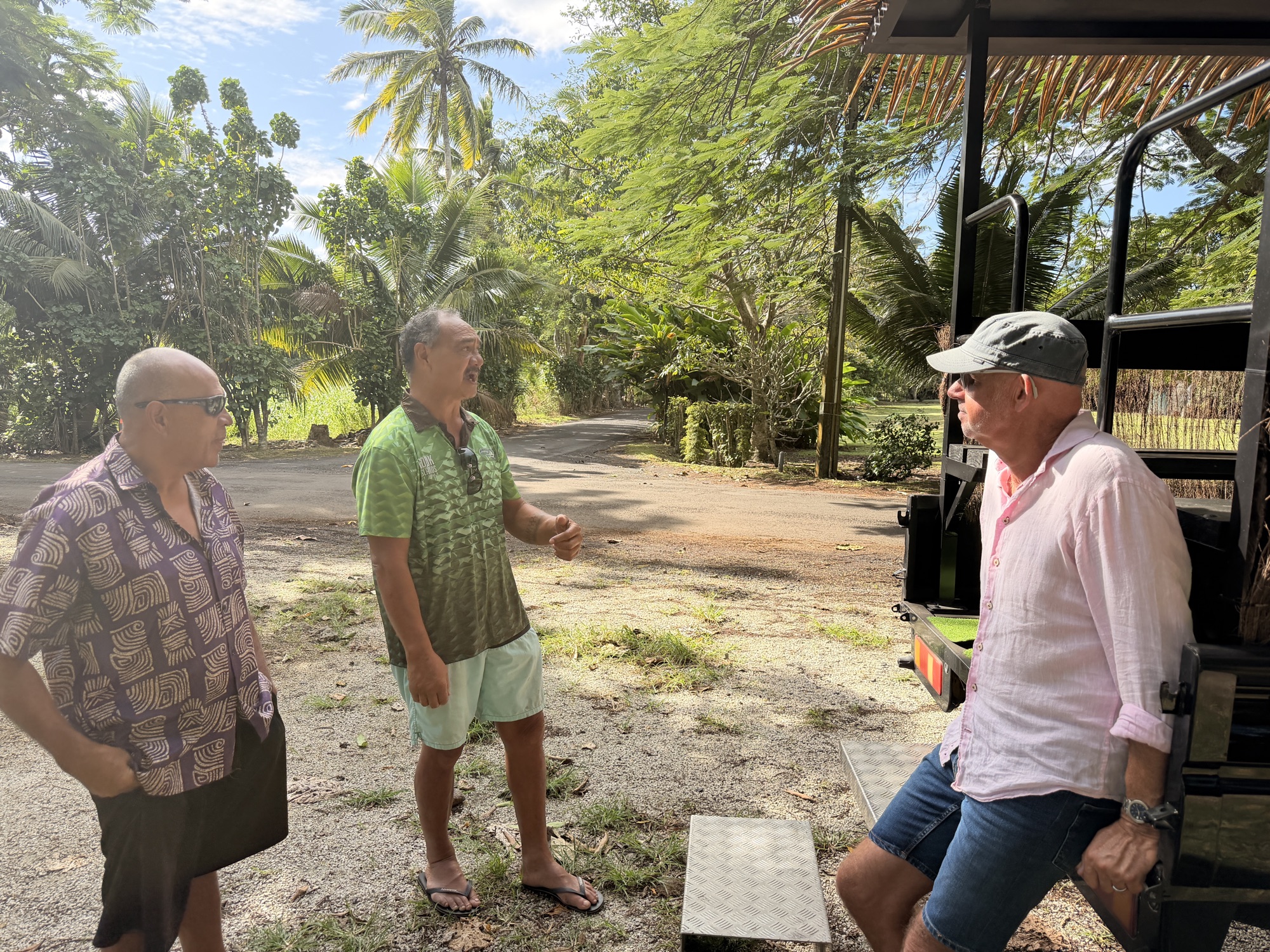
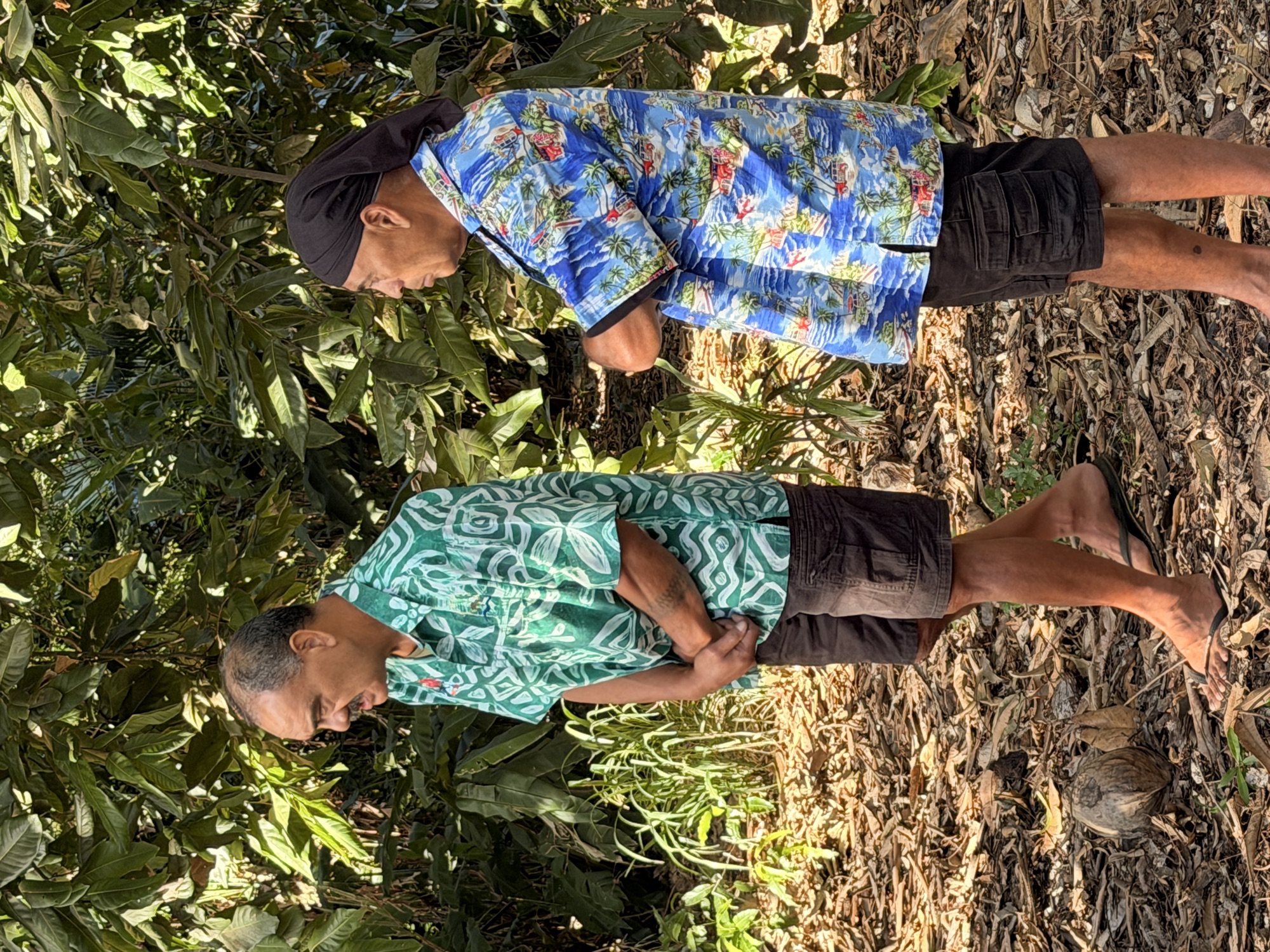
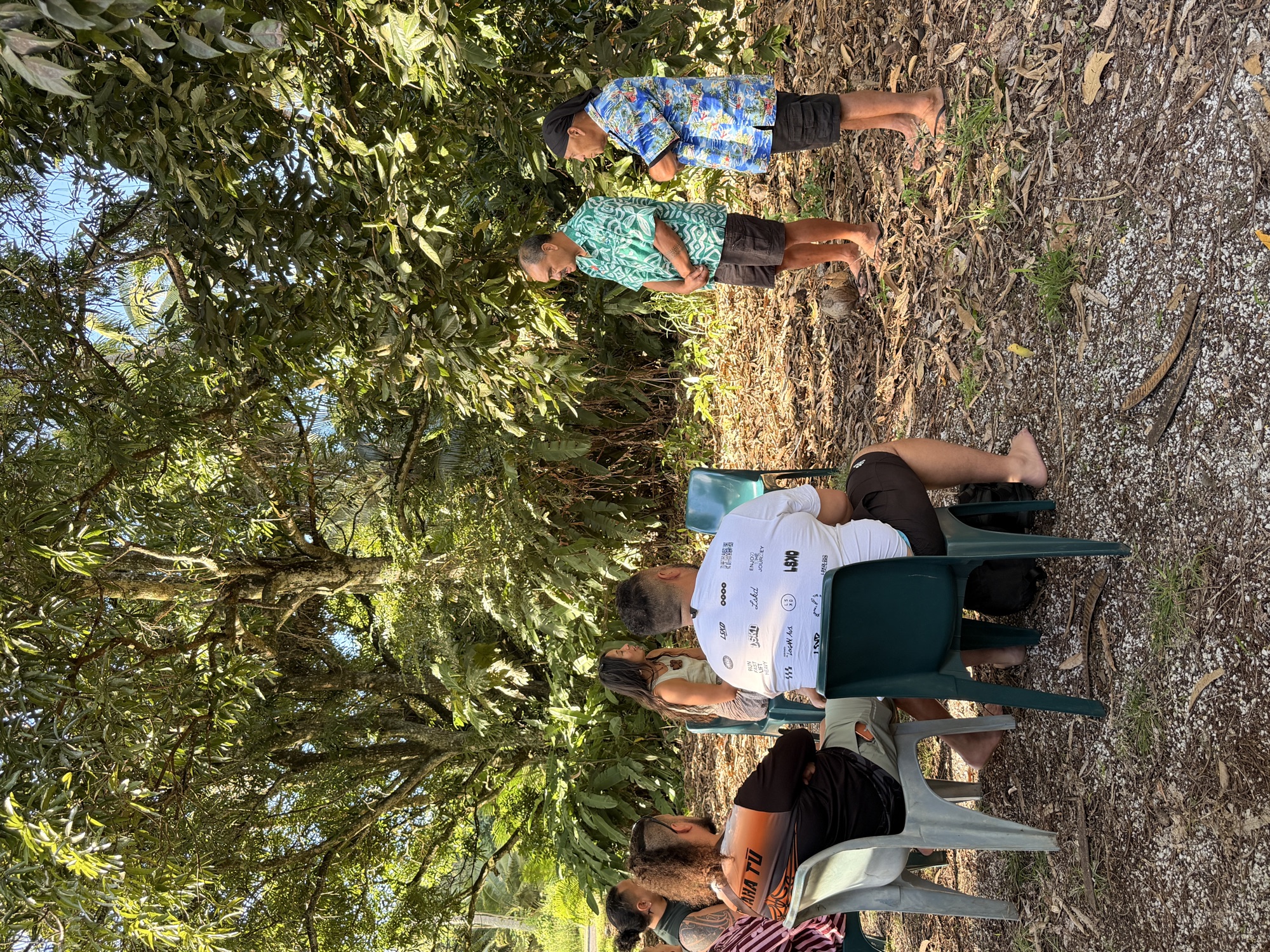
Hear the waka kōrero from Papa Tita and the Te Vaka crew, shared by people who know these roads and the stories connected to them.

No rehearsed cultural show. No pretending we speak for everybody. Just the kōrero we carry, shared where it belongs.

Local knowledge

Knowledge that
lives here.

Our hosts grew up on these roads. Papa Tita carries the genealogies and the kōrero handed down with them. What we share is not a performance of culture. It is the island, spoken by people who still live it. We stand in that knowledge. We do not borrow it.

Booking

Book through
Te Vaka Hub.

Pick a date, book your seat and we will sort the rest. We can collect you from your accommodation or meet you at Nikao Social Centre. At the end of the tour we come back to Nikao for a seasonal shared island kai and one last yarn before you head home.

Te Waka by Te Vaka Tours

You know where they arrived.
Come see where they came from.

Kia orana e te whānau. Come have a look at the northern side of the story.